Sow outside
Sow seeds ⅛ inch (3 mm) deep, and aim for 8 inches (20 cm) between plants once thinned. Press seeds shallowly — no deeper than ⅛ inch; light aids germination. Keep the top ¼ inch moist until sprouts show. Seedlings emerge in 2–10 days.
A fast-maturing cool-season leaf crop that delivers harvests in as little as 45 days and tolerates light frost.
Lactuca sativa · also called garden lettuce, salad lettuce
Windows are counted from the average date of your last spring frost.
Home-grown lettuce outpaces store-bought in freshness and variety — dozens of leaf shapes, colors, and textures unavailable at retail. It fills the shoulder seasons when most beds sit idle.
A little history. Native to the eastern Mediterranean and western Asia, lettuce was cultivated by ancient Egyptians primarily for its seed oil. It belongs to the daisy family and produces a milky latex sap when cut.
Sow seeds ⅛ inch (3 mm) deep, and aim for 8 inches (20 cm) between plants once thinned. Press seeds shallowly — no deeper than ⅛ inch; light aids germination. Keep the top ¼ inch moist until sprouts show. Seedlings emerge in 2–10 days.
Either works well — needs only 6 inches of soil depth for loose-leaf types; heading types prefer 8–10 inches. In containers: 12-inch wide pot, at least 6 inches deep; wider for multiple plants.
Water every 2–3 days in warm weather; every 4–5 days in cool weather. Water when the top inch of soil feels dry or leaves show slight midday wilting. Aim for about 1 inch per week including rain.
Side-dress (scatter fertilizer along the row and water in) once at planting and again 3 weeks later. What to use: nitrogen-forward fertilizer such as blood meal, fish emulsion, or 10–5-5 organic.
For loose-leaf types, harvest outer leaves regularly to keep the plant producing. Pinch or cut the central growing tip at first sign of a rising flower stalk to briefly delay bolting.
It's ready when loose-leaf: outer leaves are 4–6 inches long. Butterhead: head feels softly firm when gently squeezed. Romaine: leaves are upright and 6–8 inches tall. Crisphead: head is dense and firm. Loose-leaf: cut outer leaves 1 inch above the base with scissors, leaving the growing center intact. Heading types: cut the whole head at soil level with a sharp knife in the morning when leaves are turgid.
Unwashed, in a loosely sealed bag with a dry paper towel, in the refrigerator crisper at 32–40 °F (0–4 °C) for up to 10 days. Wash just before use.
Sow a new short row every 2–3 weeks through spring and again through fall to avoid a single glut and extend harvest across the season.
Radish
Radishes pull from a deeper, narrower root zone than lettuce's shallow mat, so the two rarely fight over water. Sow radish between lettuce rows as a marker crop; it clears out in about 30 days, well before the lettuce fills its spacing.
Carrot
Carrots send a taproot straight down while lettuce feeds in the top few inches, so both can share a row without competing hard. Cut the lettuce before the carrots need the full width of the bed.
Strawberry
A strawberry planting keeps a low leaf canopy over the soil surface, holding moisture and keeping the root zone a few degrees cooler — conditions that can delay bolting in lettuce tucked into the gaps during spring and fall.
Chives
The strong onion scent of chives can make it harder for aphids to home in on nearby lettuce, and often reduces early colonies under low pest pressure. Set clumps at the bed edge so they do not shade the salad row.
Nasturtium
Aphids often settle on nasturtium stems in preference to lettuce leaves. It only helps if you act: cut off and bin the loaded shoots, or the trap plant becomes a nursery feeding the whole bed.
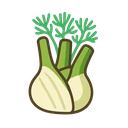
Fennel
Fennel roots release substances that stunt most garden vegetables, and shallow-rooted lettuce sits right in the affected zone. Grow fennel in its own corner or a separate pot — well apart, its flowers feed hoverflies and tiny parasitic wasps that hunt aphids.

Celery
Old charts keep celery out of the lettuce row, though no mechanism has been demonstrated. What is practical: celery holds the ground for four months and demands steady heavy watering, so it crowds and overshadows a quick 45-day salad crop.

Parsley - Italian Flat-Leaf
Parsley can take 14 to 28 days to emerge, and a fast lettuce rosette often closes over the seedbed before then, leaving the seedlings starved of light and water. Sow lettuce at least a foot away, or wait until parsley has true leaves.
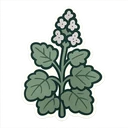
Catnip
Cats roll on and flatten catnip, and anything tender growing beside it gets crushed with it. Catnip also self-sows heavily, so seedlings turn up all through a salad bed the next spring.

Crimson Clover
Clover grows fast and low and will out-muscle young lettuce for light and water. Keep it out of salad beds in the same season; sow it after the lettuce is pulled instead.

Sudangrass
Lettuce seed is the classic test case for this grass: extracts of its residue measurably cut lettuce germination and shrink the first roots. Do not sow lettuce into fresh residue, and wait 3-4 weeks after incorporation.

Tansy
A mature tansy clump reaches 3-4 ft and casts real shade while its dense roots take the surface moisture lettuce depends on. Give leafy salad crops their own open ground well away from the clump.

Yarrow
Yarrow spreads by shallow runners and shades low salad rows as it fills out, so it out-muscles lettuce for surface moisture and light. Keep it to a border rather than inside a salad bed.
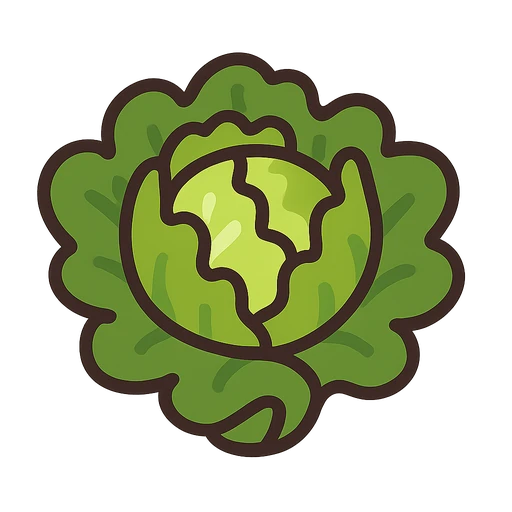
Easy-going — Lettuce can grow almost anywhere in the rotation without a strict rest.
The pea and bean family, the cabbage family or the tomato family thrive in this ground next season.
Lettuce is a light feeder that leaves soil in much the same shape it found it, plus a little fine root residue. Give the bed a one-year gap from other daisy-family crops, then follow with legumes, brassicas, or nightshades, which all appreciate the loose, compost-rich ground it leaves.