 Onion
Onion
Old charts keep beans and onions apart, though no one has demonstrated a mechanism behind it. If space is tight, plant them a row or two apart and watch your own results.
 Garlic
Gardeners have long separated garlic from beans, but trials have not shown either plant harming the other. The separation costs little, so follow it only if bed space allows.
 Fennel
Fennel roots release compounds that reliably stunt most garden vegetables, beans included. Grow it in its own corner or a pot well away from the bed, where its flowers still feed hoverflies and tiny parasitic wasps.
 Leek
Leek
Beans are said to sulk beside leeks, onions, and garlic, a pairing warning that has been copied from chart to chart for a century. Trials have not confirmed it, so plant them apart only as a precaution.
 Garlic — Hardneck
Old companion charts have kept beans away from the onion family for a century, saying garlic checks their growth. No trial has demonstrated it. If you separate them, do so out of tradition — and note that beans are better used as the crop that follows garlic than as its neighbour.
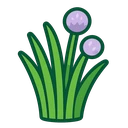 Chives
Old charts keep the onion family away from beans, claiming stunted growth. No study has shown chives harming beans, so if space is tight this is a low-stakes rule to break; give each a foot of its own room and watch.
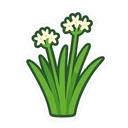 Garlic Chives
Old charts keep beans away from every onion relative, garlic chives included. No study has shown the clumps stunt beans, so if space is tight, set them a foot or two apart and judge by what your own rows do.
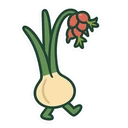 Walking Onion
Old companion charts keep beans and the onion family apart, and the habit persists in most garden books. No measured mechanism has been found, so if space is tight the pairing is more caution than rule.
 French Marigold
Old companion charts keep marigolds and beans apart, though no mechanism has been demonstrated and trials have not supported the pairing. If you have space, separate them; if you do not, there is little reason to expect harm.
 Carrot
 Cucumber
 Summer Savory
 Radish