Crop guide · The nightshade family

How to grow potatoes

A cool-season root crop that produces a generous harvest of starchy tubers from seed pieces planted in early spring or late summer.

Solanum tuberosum · also called white potato, Irish potato

Full sun Beginner Half-hardy
Sun
Full sun
Mulch heavily once temps stay above 85 °F (29 °C) to keep soil cool
Frost
Half-hardy
Emerged shoots are killed by frost below 28 °F (-2 °C)
Spacing
12 in
30 cm between plants
Sow depth
4 in
102 mm
To harvest
70–120 days
counted from sowing
Soil pH
5.0–6.0
on the acidic side
Timing

When to plant potatoes

Windows are counted from the average date of your last spring frost.

Summer:12–14 weeks before first fall frost for a fall crop.
Too late?Skip a spring planting once soil tops 80 °F (27 °C) consistently — switch to a late-summer sowing timed to mature before hard frost.
Background

Why grow potatoes

Home-grown potatoes offer varieties unavailable in any supermarket — fingerlings, blue-fleshed, and waxy salad types — and freshly dug tubers have a texture and flavor that stored commercial stock cannot match.

A little history. Potatoes are native to the Andean highlands of South America and were domesticated from wild Solanum species. The edible portion is a stem tuber, not a root — each 'eye' is a node capable of producing a new shoot.

The season, step by step

From planting to harvest

Sow outside

2–4 weeks before last frost

Sow seeds 4 inches (102 mm) deep, and aim for 12 inches (30 cm) between plants once thinned. Keep soil consistently moist but not waterlogged; crusted soil delays emergence — break any surface crust gently with a rake. Seedlings emerge in 14–28 days.

Best soil temp 60–70 °F (16–21 °C) Minimum 45 °F (7 °C) Emerges in 14–28 days

Water and feed

All season

Water deeply once or twice a week; increase frequency during tuber bulking (after flowering begins). Water when the top 2 inches of soil feel dry, or foliage begins to look slightly dull. Aim for about 1–2 inches per week during active growth.

Side-dress (scatter fertilizer along the row and water in) once at planting and again when plants are 6 inches tall. What to use: balanced 5–5-5 organic at planting; switch to a lower-nitrogen, higher-potassium blend once flowering starts.

Prune and maintain

As it grows

Hill (mound soil up around the base of the stems) when plants reach 6–8 inches tall and again 2–3 weeks later; this buries more stem for tuber formation and blocks light that would turn tubers green.

Harvest and store

70–120 days from sowing

It's ready when new potatoes: harvest 2–3 weeks after flowering. Maincrop: wait until foliage yellows and dies back naturally, then wait an additional 2 weeks for skins to set firm. Loosen soil with a fork 12 inches from the stem; lift carefully to avoid spearing tubers. Dig on a dry day and let tubers air-dry on the soil surface for 1–2 hours before storing.

Cure in a dark, humid space at 50–60 °F (10–16 °C) for 10–14 days to toughen skins, then store at 38–45 °F (3–7 °C) in darkness with good airflow. Do not refrigerate — cold converts starch to sugar.

Companions

Good neighbours, bad neighbours

Plant it with

Horseradish

Gardeners have long tucked a horseradish plant at the corners of a potato patch, though no study has shown it moves beetles off the crop. If you try it, sink the root in a bottomless bucket — horseradish runs and is hard to dig out of a potato bed.

Basil

A band of strongly aromatic basil along the row can help hide potato foliage from insects that locate their host by smell, and it often reduces light flea beetle pressure. Expect help at low pest levels, not rescue from a beetle outbreak.

French Marigold

French marigold roots have been shown to reduce root-knot nematodes, but only when the bed is planted thickly with them and the tops are turned into the soil at season's end — a few edge flowers do nothing. They do not deter Colorado potato beetles.

Nasturtium

Aphids often settle on nasturtium stems before they find potato shoot tips, which concentrates them where you can act. Pull and bag the loaded stems rather than leaving them — an untended trap crop simply breeds more aphids.

Green Bean

Beans bank nitrogen in root nodules, but most of it is released only as those roots break down, so the benefit lands on next season's crop in this bed. Their shallow roots also share soil comfortably with deeper-feeding potato stems.

Keep it away from

Fennel

Fennel roots release substances that reliably stunt most garden vegetables, potatoes included. Grow it in its own corner or a pot well away from the bed, where its umbrella-shaped flowers still earn their keep by feeding hoverflies and tiny parasitic wasps.

Sunflower

Sunflowers are tall, greedy feeders whose wide root systems and afternoon shade often leave potatoes short of water and light just as tubers are bulking. Keep them to the north side of the garden or in a separate bed.

Watermelon

Digging potatoes means turning over soil right where melon vines and their shallow feeder roots are running, and the sprawling vines make it hard to reach the rows. Keep the two crops in separate beds.
Cantaloupe

Old charts keep melons and potatoes apart. What a gardener can verify is practical: both are hungry crops on the same water, and digging potatoes tears through the melons' wide, shallow feeder roots and the vines running over the row.

Pumpkin

Digging potatoes means turning over soil right where pumpkin vines have rooted at their nodes, tearing them loose mid-season. Both are heavy feeders as well, so they compete hard for water and nutrients in the same ground.
Butternut Squash

Both are hungry crops that compete for water and food in the same top foot of soil, and digging potatoes in late summer means forking through the shallow squash roots and running vines. Keep them in separate beds.

Zucchini

Both are heavy feeders with wide root systems, so side by side they compete for water and nitrogen. Digging potatoes also tears through the shallow surface roots that squash relies on in midsummer.
Artichoke

Harvesting potatoes means forking through soil where an artichoke has already spread thick perennial roots and crown buds, and that disturbance sets the plant back. Keep potatoes in the annual beds you turn over each year.

Buckwheat

Buckwheat's canopy closes in about three weeks and can out-muscle young potato plants for light and moisture, and volunteer seedlings get in the way of hilling and digging. Grow it before potatoes, not alongside them.
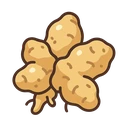
Sunflower Choke

Both host white mold, and both feed the same soil-dwelling wireworms that tunnel tubers, so the pressure often builds where they share ground. Digging potatoes also chops the sunflower choke's shallow rhizomes and scatters unwanted regrowth.

Jerusalem Artichoke

Both hosts of verticillium wilt, a soil fungus that clogs stem tissue and yellows the lower leaves. Stacking them builds the fungus in one patch of ground, and stray sunchoke tubers left behind will sprout through the potato rows for years.

Goji Berry

Potatoes carry nightshade-family wilts and blights, and digging tubers next to a goji both spreads that soil and tears the shrub's spreading surface roots. Keep at least one bed between them.

Raspberry

Potatoes host the soil fungus that causes wilt in raspberries, and the spores persist for years in the ground. Do not plant canes where potatoes have grown within the last three years, and keep the two beds well separated.
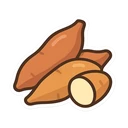
Yacon

Both crops host root-knot nematodes, and growing them together or in sequence can build the population that leaves knobby galls on yacon tubers. Digging potatoes mid-season also churns soil right where yacon crowns are working.
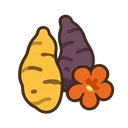
Mashua

Both crops are hosts for late blight, and cool wet autumn weather is exactly when mashua is still in leaf. Growing them side by side lets spores move straight from one canopy to the other; keep them in separate parts of the garden.
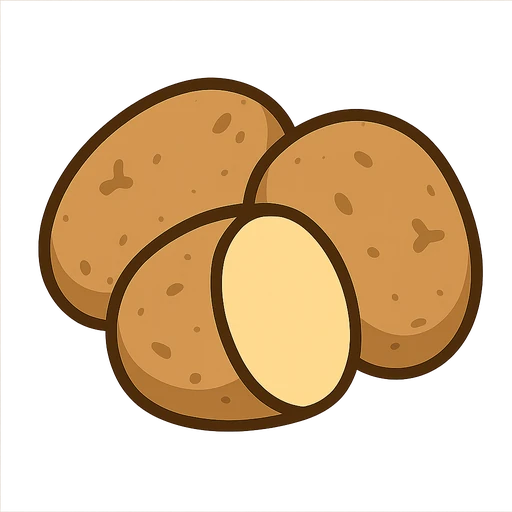
See potatoes in the full companion chart →

Crop rotation

After this crop

Family rest

Give the tomato family 3 years away from this spot before any of its relatives return.

Good next crops

The pea and bean family, the onion family or the carrot family thrive in this ground next season.

Potatoes are heavy feeders, but digging them leaves the bed loose and easy to work. Keep the tomato family (tomatoes, peppers, eggplant) out for 3 years. Follow with peas or beans, then onions and garlic, or carrots and parsnips, which enjoy the loosened soil.

Trouble to watch for

Pests and diseases

Pests

Colorado potato beetle

Sign
Yellow-and-black striped adults and orange egg clusters on leaf undersides; skeletonized foliage.
Fix
Hand-pick adults, larvae, and egg masses daily; apply spinosad if populations are heavy.

Wireworm

Sign
Small, round holes bored into tubers at harvest; thin, hard, orange larvae found in soil.
Fix
Rotate away from nightshades for at least 3 years; avoid planting in ground recently converted from lawn.

Aphids

Sign
Clusters of small soft insects on shoot tips and leaf undersides; sticky residue and curled leaves.
Fix
Knock off with a firm water spray; introduce or encourage ladybugs; use insecticidal soap if colonies persist.

Flea beetle

Sign
Tiny round shot-holes scattered across leaves; small dark beetles that jump when disturbed.
Fix
Cover young plants with row cover (fine mesh fabric) until they are well established.

Diseases

Late blight

Sign
Water-soaked, dark brown patches on leaves and stems that spread rapidly in cool, wet weather; white mold on leaf undersides.
Prevent
Plant certified disease-free seed pieces; space plants for airflow; avoid overhead watering; remove and bag infected foliage immediately.

Early blight

Sign
Dark brown spots with concentric rings (target-board pattern) on older lower leaves; yellowing around spots.
Prevent
Rotate nightshades on a 3-year cycle; mulch to prevent soil splash; water at the base of plants.

Common scab

Sign
Rough, corky, raised or pitted patches on tuber skin; does not affect eating quality but reduces marketability.
Prevent
Keep soil consistently moist during tuber initiation; use certified seed potatoes; test soil before amending pH, as scab thrives above pH 7.0.

Blackleg

Sign
Slimy black rot at the base of the stem; plants wilt and collapse; infected seed piece rots rather than sprouting.
Prevent
Use only certified seed potatoes; allow cut seed pieces to cure (dry and callous) for 1-2 days before planting; avoid waterlogged soil.
Good to know:All green parts — leaves, stems, sprouts, and any green-tinged skin — contain solanine, a toxic compound. Cut away all green flesh before eating; discard heavily greened tubers entirely.
FAQ

Common questions about potatoes

When should I plant potatoes?
Spring: 2–4 weeks before last frost, once soil reaches 45 °F (7 °C). Summer: 12–14 weeks before first fall frost for a fall crop.
How long until potatoes are ready to harvest?
70–120 days, counted from sowing. It's ready when new potatoes: harvest 2–3 weeks after flowering. Maincrop: wait until foliage yellows and dies back naturally, then wait an additional 2 weeks for skins to set firm.
Can I grow potatoes in a container?
Either works — needs at least 12 inches of loose, well-drained soil depth; containers allow easy harvest by tipping. In containers: 15-gallon pot or a purpose-built grow bag, at least 12 inches deep.
How often should I water potatoes?
Water deeply once or twice a week; increase frequency during tuber bulking (after flowering begins). Water when the top 2 inches of soil feel dry, or foliage begins to look slightly dull.
Is any part of potatoes unsafe to eat?
All green parts — leaves, stems, sprouts, and any green-tinged skin — contain solanine, a toxic compound. Cut away all green flesh before eating; discard heavily greened tubers entirely.
How should I store potatoes after harvest?
Cure in a dark, humid space at 50–60 °F (10–16 °C) for 10–14 days to toughen skins, then store at 38–45 °F (3–7 °C) in darkness with good airflow. Do not refrigerate — cold converts starch to sugar.

Verdie turns this guide into your plan

Set your garden's location and every window above becomes a real date — then Verdie reminds you when it's time to sow, transplant, water, and pick.

Download on the App Store
Free to download · iPhone & iPad