 Garden Pea
Peas bank nitrogen in root nodules, and most of it reaches the soil the following season as those roots break down. Follow a spring pea patch with turnips, or grow peas nearby and leave the roots in the ground when you clear the vines.
 Nasturtium
Aphids and flea beetles often settle on nasturtium foliage in preference to turnip leaves. It only helps if you check the trap plants weekly and cut off or wash down the colonized shoots before they spill over.
 Dill
Dill
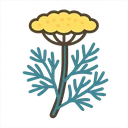
Dill's flat flower heads feed hoverflies, lacewings, and tiny parasitic wasps, all of which hunt the aphids and caterpillars that work turnip tops. Let a few plants flower at the bed edge rather than cutting every stem for the kitchen.
 Sweet Alyssum
A low ribbon of alyssum blooms through the cool season and is one of the most reliable hoverfly feeders in a vegetable bed; hoverfly larvae eat aphids off turnip leaves. Tuck it along the row where it will not shade the crop.
 Lettuce
Lettuce roots stay in the top few inches while the turnip swells deeper, so the two share a bed without fighting for water. Both like the same cool weather, which makes them easy to sow and clear on the same schedule.
 Thyme
Thyme
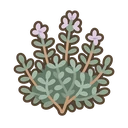
Strongly scented low herbs can make it harder for cabbage butterflies and flea beetles to home in on turnip leaves by smell. The effect is modest under heavy pest pressure, so treat it as a supplement to row cover, not a replacement.
 Radish
 Fennel
 Strawberry