 Fennel
Fennel roots release compounds that stunt most garden vegetables, dill included, and both are carrot-family plants sharing pests. Grow fennel in its own corner or a pot, where its flowers still feed hoverflies and parasitic wasps.
 Carrot
Both belong to the carrot family and host the same carrot fly and leaf blights, so planting them together stacks the risk. Tall dill also shades and out-competes young carrot tops. They do not cross-pollinate into each other.
 Tomato
Young dill is harmless, but mature plants compete for water and light close to tomato stems and can slow them. Keep dill a few feet off, where its flowers still pull in aphid predators.
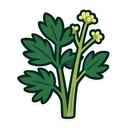 Lovage
Both belong to the carrot family and host the same leaf blights and leaf-mining flies, so crowding them stacks the risk. Dill also self-sows freely and competes with the lovage crown for light and water. The two plants do not cross.
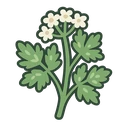 Sweet Cicely
Both belong to the carrot and parsley family and share carrot fly and the same leaf-spotting problems, so growing them side by side stacks the pressure. Dill also self-seeds thickly and competes with young Sweet Cicely crowns for light and water.
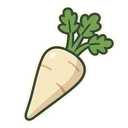 Parsnip
Dill is a fast, tall carrot-family plant that shades young parsnip leaves and self-sows freely through the row, and it carries the same pests. The two are separate species and cannot cross; the real conflict is crowding and shared insects.
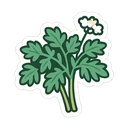 Chervil
Dill is a carrot-family relative that hosts the same caterpillars and leaf diseases as chervil, so planting them shoulder to shoulder stacks the risk. Tall dill also out-competes low chervil for light and water.
 Mitsuba
Both are carrot-family plants that host the same leaf blights and draw the same aphids and parsley worms, so planting them shoulder to shoulder stacks the risk. Dill also self-sows heavily and shades out slow mitsuba seedlings.
 Cabbage
 Onion
Onion Lettuce
 Cucumber
 Asparagus