Transplant outside
2 weeks after last frost
Either works — needs 10 in of loose, fast-draining soil and no standing water. In containers: 3-gallon pot, at least 10 in deep, with open drainage holes. Space plants 18 inches (45 cm) apart.
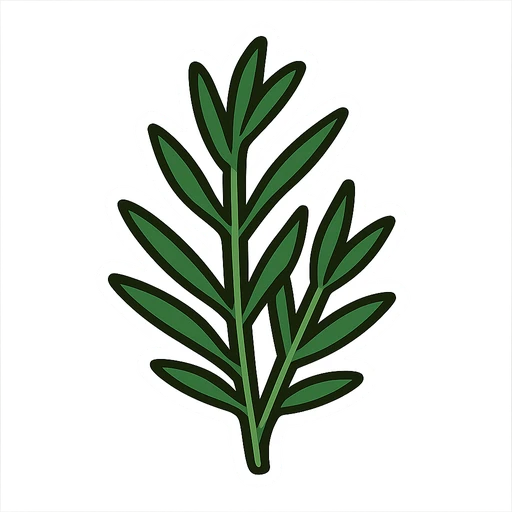
A slender perennial herb whose narrow leaves carry a warm anise note used in classic sauces, and it returns from the same crown for years.
Artemisia dracunculus · also called French tarragon, Russian tarragon
Windows are counted from the average date of your last spring frost.
Fresh tarragon is expensive and wilts within days, so a single established plant pays for itself. It asks for lean, well-drained soil and full sun and little else once rooted.
A little history. A daisy-family perennial from Eurasia. French tarragon almost never sets viable seed, so every true plant traces back to a division or cutting from another plant.
Either works — needs 10 in of loose, fast-draining soil and no standing water. In containers: 3-gallon pot, at least 10 in deep, with open drainage holes. Space plants 18 inches (45 cm) apart.
Water deeply once a week in warm weather; less in cool spells. Water when the top 2 inches of soil feel dry. Aim for about 1 inch per week including rain.
Once in early spring as new shoots appear; skip midsummer feeding. What to use: a thin ring of compost or a light 5–5-5; heavy nitrogen gives soft, weak-tasting growth.
Pinch shoot tips through spring to force branching. Cut the whole plant back by a third in midsummer for a flush of tender leaves, and snip off any flower stems.
It's ready when stems are 12 in tall with plenty of full-length leaves, roughly 8 weeks after planting. Flavor is strongest just before flower buds form. Snip whole stem tips 4–6 in long with scissors, cutting just above a leaf pair. Take no more than a third of the plant at once, and stop heavy cutting a month before first frost.
Stand cut stems in a glass of water on the counter for 2–3 days, or wrap in a barely damp towel in a bag in the refrigerator for up to a week.
Cut spent stems to 2 in after frost, then mulch 2 in over the crown once the ground chills. French tarragon needs a cold dormant rest to grow well the next year.
 Artichoke
Gardeners have long tucked tarragon at the feet of artichokes, and the two do share a taste for sun and sharply drained ground. No mechanism has been demonstrated, so treat it as a space-sharing habit rather than pest protection.
 Rosemary
Both want full sun, lean soil, and dry feet, so grouping them lets you water the whole patch sparingly without shortchanging anyone. Neighbours with matching needs are the simplest way to avoid overwatering a rot-prone herb.
 Thyme
Thyme
A low mat of thyme shades the soil surface between tarragon stems, holding moisture and crowding out weeds without competing for the same root zone. Keep it a few inches clear of the tarragon crown so the base stays dry.
 Yarrow
Yarrow's flat flower heads feed hoverflies, lacewings, and tiny parasitic wasps, and those insects work the aphid colonies that build up on tarragon shoot tips in spring. Let a few heads open near the herb bed.
 Sweet Alyssum
Alyssum's small open flowers are a reliable nectar source for hoverflies, whose larvae eat aphids. Sown along the edge of a dry herb bed it thrives in the same lean soil tarragon prefers.
 Peppermint
Mint runs underground and will thread through a tarragon crown within a season, making division impossible without tearing the clump apart. Grow mint in its own sunken pot or a separate bed.
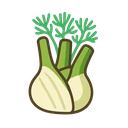 Fennel
Fennel roots release compounds that stunt most garden vegetables and herbs, so keep it out of the herb bed. Planted well away, its flowers still earn their keep by feeding hoverflies and tiny parasitic wasps.
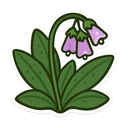 Comfrey
Comfrey's broad leaves and heavy clump can shade out and out-drink a slim tarragon plant, and its damp, rich preferences pull the bed toward the moisture that rots tarragon crowns. Site it at least 3 ft away.
A perennial — it holds its spot for years, so it sits outside the annual rotation.
A perennial that holds the same ground for years, so no rotation gap applies. It is a moderate feeder that leaves little behind; top-dress with compost each spring and lift and divide the clump every 3-4 years, replanting the youngest pieces in fresh soil.
Set your garden's location and every window above becomes a real date — then Verdie reminds you when it's time to sow, transplant, water, and pick.