Crop guide · The carrot and parsley family

How to grow dill

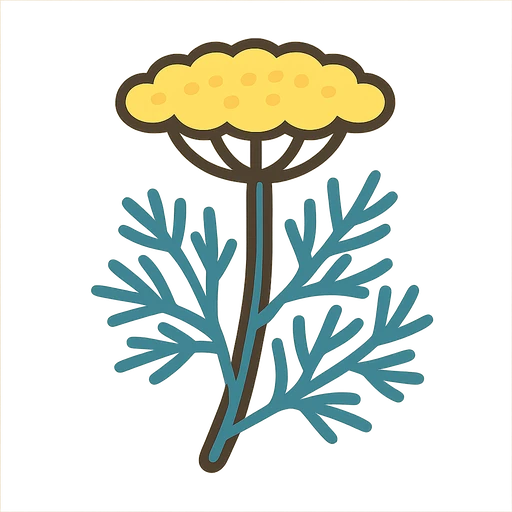
A fast-growing annual herb prized for its feathery leaves and aromatic seeds, equally at home in the kitchen and the pollinator garden.

Anethum graveolens · also called dillweed, garden dill

Full sun Beginner Half-hardy
Sun
Full sun
Light afternoon shade once temperatures stay above 90 °F (32 °C) slows bolting and extends the leaf harvest.
Frost
Half-hardy
Tolerates light frost down to about 25 °F (-4 °C)
Spacing
12 in
30 cm between plants
Sow depth
⅛ in
3 mm
To harvest
40–60 days
counted from sowing
Soil pH
5.5–6.5
on the acidic side
Timing

When to plant dill

Windows are counted from the average date of your last spring frost.

Summer:every 3–4 weeks through midsummer for continuous leaf harvest.
Fall planting:6–8 weeks before first fall frost for a late-season crop.
Too late?Skip a late-spring sowing once daytime temperatures consistently exceed 85 °F (29 °C) — plants will bolt before producing usable leaf. Resume sowing in late summer for a fall crop.
Background

Why grow dill

Dill produces harvestable leaves within weeks of sowing and requires minimal inputs. Its flat-topped flower clusters attract beneficial insects, including parasitic wasps that suppress aphid and caterpillar populations in the surrounding bed.

A little history. Native to southwest Asia and the eastern Mediterranean, dill is an annual or occasionally biennial member of the carrot family. It is the sole species in the genus Anethum. Long days and warm temperatures trigger bolting (the shift from leaf growth to flowering and seed set).

The season, step by step

From planting to harvest

Sow outside

2–4 weeks before last frost

Sow seeds ⅛ inch (3 mm) deep, and aim for 12 inches (30 cm) between plants once thinned. Press seeds lightly into the soil surface — they need light to germinate. Keep the top quarter-inch moist until sprouts appear. Seedlings emerge in 7–14 days.

Best soil temp 60–70 °F (16–21 °C) Minimum 50 °F (10 °C) Emerges in 7–14 days

Water and feed

All season

Water deeply once or twice a week; reduce frequency once plants are established. Water when the top inch of soil feels dry to the touch. Aim for about 1 inch per week including rain.

One light feeding at planting; avoid heavy nitrogen once plants are 6 inches tall. What to use: balanced 5–5-5 organic fertilizer or a thin layer of compost worked into the top inch at sowing.

Prune and maintain

As it grows

Pinch out the central flower bud as soon as it forms to delay bolting and extend leaf production. Once flowering begins in earnest, leaf quality declines and the plant is best left to set seed or pulled.

Harvest and store

40–60 days from sowing

It's ready when harvest leaves once the plant has at least 4–5 feathery fronds and stands 8 inches tall. For seed, wait until the seed heads turn tan-brown and seeds begin to loosen when rubbed. Snip individual fronds with scissors just above a leaf node, taking no more than one-third of the plant at a time. For seed heads, cut the entire stem and place upside-down in a paper bag to catch seeds as they dry.

Fresh fronds keep 1–2 weeks wrapped in a damp paper towel in the refrigerator, or freeze chopped dill in ice cube trays with water. Dried seed stores in an airtight jar for up to 1 year.

Companions

Good neighbours, bad neighbours

Plant it with

Cabbage

Dill's flat flower clusters feed hoverflies, lacewings, and tiny parasitic wasps that hunt cabbage aphids and young cabbageworms. Let a few plants flower near the cabbage row rather than pinching every bud.

Onion

Onions root shallowly while dill sends down a slim taproot, so the two draw water from different layers and can share a row without crowding. Keep onions on the sunny side, as dill grows tall fast.

Lettuce

A row of dill on the south side casts light, filtered shade that can hold lettuce back from bolting (the shift from leaf growth to flowering) once afternoons run hot.

Cucumber

Flowering dill draws bees and hoverflies to the bed, which often improves fruit set on cucumbers, a crop that needs repeat visits to each female flower.

Asparagus

Gardeners have long tucked dill along the edge of an asparagus bed, where its shallow footprint spares the crowns and its flowers bring in predatory insects. Sow at the bed's margin so spear cutting is not disturbed.

Keep it away from

Fennel

Fennel roots release compounds that stunt most garden vegetables, dill included, and both are carrot-family plants sharing pests. Grow fennel in its own corner or a pot, where its flowers still feed hoverflies and parasitic wasps.

Carrot

Both belong to the carrot family and host the same carrot fly and leaf blights, so planting them together stacks the risk. Tall dill also shades and out-competes young carrot tops. They do not cross-pollinate into each other.
Tomato

Young dill is harmless, but mature plants compete for water and light close to tomato stems and can slow them. Keep dill a few feet off, where its flowers still pull in aphid predators.
Lovage

Both belong to the carrot family and host the same leaf blights and leaf-mining flies, so crowding them stacks the risk. Dill also self-sows freely and competes with the lovage crown for light and water. The two plants do not cross.
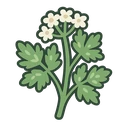
Sweet Cicely

Both belong to the carrot and parsley family and share carrot fly and the same leaf-spotting problems, so growing them side by side stacks the pressure. Dill also self-seeds thickly and competes with young Sweet Cicely crowns for light and water.
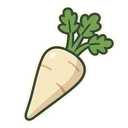
Parsnip

Dill is a fast, tall carrot-family plant that shades young parsnip leaves and self-sows freely through the row, and it carries the same pests. The two are separate species and cannot cross; the real conflict is crowding and shared insects.
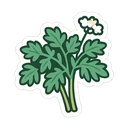
Chervil

Dill is a carrot-family relative that hosts the same caterpillars and leaf diseases as chervil, so planting them shoulder to shoulder stacks the risk. Tall dill also out-competes low chervil for light and water.
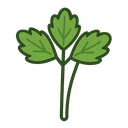
Mitsuba

Both are carrot-family plants that host the same leaf blights and draw the same aphids and parsley worms, so planting them shoulder to shoulder stacks the risk. Dill also self-sows heavily and shades out slow mitsuba seedlings.
See dill in the full companion chart →

Crop rotation

After this crop

Family rest

Give the carrot family 3 years away from this spot before any of its relatives return.

Good next crops

The pea and bean family, the cabbage family or the onion family thrive in this ground next season.

Dill is a light feeder and leaves the bed in good tilth with little drawn down. Wait 3 years before returning any carrot-family crop (carrot, parsnip, celery, parsley) to this spot. Peas or beans, a cabbage-family crop, or onions all follow well.

Trouble to watch for

Pests and diseases

Pests

Aphids

Sign
Clusters of small soft-bodied insects on new growth and flower stems; sticky residue on leaves.
Fix
Knock off with a firm stream of water; apply insecticidal soap to undersides of leaves if colonies persist.

Swallowtail caterpillars (parsleyworm)

Sign
Large green-and-black striped caterpillars consuming foliage rapidly; frass (droppings) visible on leaves.
Fix
Hand-pick and relocate to a wild host plant — these are the larvae of a beneficial butterfly and rarely cause lasting damage to a healthy planting.

Carrot fly

Sign
Wilting seedlings; reddish-brown tunnels in the taproot when pulled.
Fix
Cover seedlings with fine insect mesh immediately after sowing; remove and destroy affected plants.

Diseases

Powdery mildew

Sign
White powdery coating on leaves and stems, most common in humid weather with poor air circulation.
Prevent
Space plants at least 12 inches apart; avoid overhead watering in the evening. Remove affected stems promptly.

Damping off

Sign
Seedlings collapse at the soil line shortly after emergence; stem appears pinched and water-soaked at the base.
Prevent
Sow into well-draining soil; avoid overwatering in the first two weeks. Thin seedlings to prevent crowding.

Cercospora leaf blight

Sign
Small tan or brown spots with yellow halos on older leaves, spreading upward in wet seasons.
Prevent
Rotate dill out of the same bed each year; water at the base rather than overhead; remove infected foliage promptly.
Good to know:Dill foliage closely resembles poison hemlock at the seedling stage. Confirm identity by scent — dill has a strong, pleasant aroma; hemlock has a musty, unpleasant smell. Never harvest from an unidentified plant.
FAQ

Common questions about dill

When should I plant dill?
Spring: 2–4 weeks before last frost, once soil reaches 50 °F (10 °C). Summer: every 3–4 weeks through midsummer for continuous leaf harvest.
How long until dill is ready to harvest?
40–60 days, counted from sowing. It's ready when harvest leaves once the plant has at least 4–5 feathery fronds and stands 8 inches tall. For seed, wait until the seed heads turn tan-brown and seeds begin to loosen when rubbed.
Can I grow dill in a container?
Both work well. Containers must be at least 12 inches deep to accommodate the taproot; tall varieties may need staking. In containers: 3-gallon pot, 12 inches deep minimum.
How often should I water dill?
Water deeply once or twice a week; reduce frequency once plants are established. Water when the top inch of soil feels dry to the touch.
Is any part of dill unsafe to eat?
Dill foliage closely resembles poison hemlock at the seedling stage. Confirm identity by scent — dill has a strong, pleasant aroma; hemlock has a musty, unpleasant smell. Never harvest from an unidentified plant.
How should I store dill after harvest?
Fresh fronds keep 1–2 weeks wrapped in a damp paper towel in the refrigerator, or freeze chopped dill in ice cube trays with water. Dried seed stores in an airtight jar for up to 1 year.

Verdie turns this guide into your plan

Set your garden's location and every window above becomes a real date — then Verdie reminds you when it's time to sow, transplant, water, and pick.

Download on the App Store
Free to download · iPhone & iPad