Crop guide · The onion and garlic family

How to grow Walking Onion

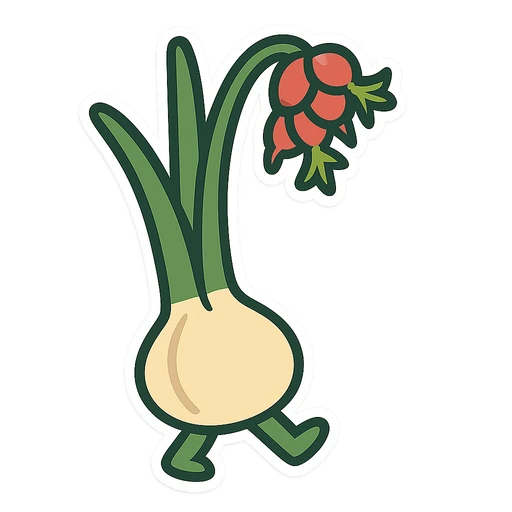
A perennial onion that propagates itself by toppling its bulbil-laden stalks, giving you a self-renewing harvest of greens and small bulbs year after year.

Allium × proliferum · also called Egyptian onion, tree onion

Full sun Beginner Frost-hardy
Sun
Full sun
Tolerates partial afternoon shade above 90 °F (32 °C)
Frost
Hardy
Survives hard frost and freezing soil
Spacing
6 in
15 cm between plants
Sow depth
1 in
25 mm
To harvest
60–120 days
counted from transplant
Timing

When to plant Walking Onion

Fall
Transplant

4–6 weeks before first fall frost, so roots establish before the ground freezes.

Too late?Avoid planting bulbils after midsummer heat sets in; fall planting is preferable once nights cool below 70 °F (21 °C).
Background

Why grow Walking Onion

Once established, walking onions require almost no replanting — the plant does it for you. They produce usable greens from late winter onward, weeks before any annual onion is ready.

A little history. A hybrid between common bulbing onion and Welsh onion, confirmed by chromosome studies. It produces clusters of small bulbils (miniature bulbs) at the top of the flower stalk rather than seeds, which is the primary means of natural spread.

The season, step by step

From planting to harvest

Transplant outside

4-6 weeks before first fall frost, so roots establish before the ground freezes

Beds strongly preferred — the plant spreads by toppling and needs room to walk; containers limit this natural cycle. In containers: 5-gallon pot, at least 10 inches deep, for a single clump only. Space plants 6 inches (15 cm) apart.

Water and feed

All season

Water deeply once or twice a week during active growth; reduce once tops die back in summer heat. Water when the top 2 inches of soil feel dry to the touch. Aim for about 1 inch per week including rain.

Side-dress (scatter fertilizer along the row and water in) once in early spring and once after harvest. What to use: balanced compost or a low-phosphorus organic fertilizer such as 3–1-2.

Prune and maintain

As it grows

Cut flower stalks back to the base if you want to redirect energy into basal bulbs; leave stalks standing if you want bulbils to drop and propagate new plants.

Harvest and store

60–120 days from transplant

It's ready when harvest green tops any time they reach 6 inches tall. Harvest basal bulbs when the neck begins to dry and tighten. Harvest top bulbils when the cluster is plump and the skin papery. Snip green tops with scissors, leaving at least 2 inches of growth. Lift basal bulbs with a fork. Twist or cut bulbil clusters from the stalk when skins are dry; replant or store immediately.

Green tops: refrigerate in a damp cloth up to 1 week. Bulbils: cure in a dry, airy spot for 2 weeks, then store in a mesh bag at 50–60 °F (10–16 °C) for up to 4 months.

Companions

Good neighbours, bad neighbours

Plant it with

Carrot

The onion smell can help hide young carrots from carrot rust fly, and the carrot foliage muddles the scent trail onion flies follow. Trials show the effect holds mainly under low to moderate pest pressure, so treat it as a bonus rather than a shield.
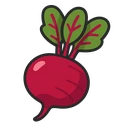
Beet

Walking onion roots stay shallow and fibrous in the top few inches, while beets send a taproot well below, so the two draw water and food from different layers instead of fighting for the same soil.

Chamomile

Chamomile's small open flowers are easy feeding for hoverflies, lacewings, and tiny parasitic wasps, whose young often reduce thrips numbers on nearby onion foliage. Let a few plants flower at the bed edge rather than cutting them all for tea.

Summer Savory

Gardeners have long set summer savory beside onions, and it is said to keep them thriving. No mechanism has been demonstrated, but the herb is low, quick, and undemanding, so it costs nothing to try along the clump edge.

Lettuce

A skirt of lettuce between onion clumps shades the soil surface, holds moisture around the shallow onion roots, and crowds out weeds that are awkward to pull from an established perennial patch.
Keep it away from

Green Bean

Old companion charts keep beans and the onion family apart, and the habit persists in most garden books. No measured mechanism has been found, so if space is tight the pairing is more caution than rule.

Garden Pea

Peas are said to sulk beside onions, a pairing warning that dates back a century with no demonstrated cause. Give them separate rows if you can, but do not expect a visible penalty if they end up neighbours.

Asparagus

Both are permanent beds, and walking onion earns its name by toppling and rooting wherever the bulbil cluster lands. Volunteers push into asparagus crowns, and lifting or weeding them disturbs the shallow spear buds you want left alone.

See Walking Onion in the full companion chart →

Crop rotation

After this crop

Rotation

A perennial — it holds its spot for years, so it sits outside the annual rotation.

Walking onion holds a permanent corner and sits outside the yearly rotation, feeding at a moderate rate and leaving a shallow, low-residue root mat behind. When you finally renovate the patch, follow with brassicas or legumes and keep alliums out of that ground for several years.

Trouble to watch for

Pests and diseases

Pests

Onion thrips

Sign
Silver-streaked or papery patches on leaves; tiny straw-colored insects visible in leaf folds.
Fix
Knock off with a strong water spray; apply insecticidal soap to leaf surfaces, repeating every 5-7 days.

Allium leaf miner

Sign
White pinprick feeding trails along leaves, followed by maggots tunneling into stems and bulbs.
Fix
Cover plants with fine insect-exclusion mesh from early spring; remove and destroy infested stems promptly.

Onion maggot

Sign
Wilting or yellowing leaves; soft, tunneled basal bulbs when pulled.
Fix
Remove affected plants and surrounding soil; cover new plantings with row cover to block egg-laying flies.

Diseases

Downy mildew

Sign
Pale oval patches on leaves with a gray-violet fuzzy coating on the underside in humid conditions.
Prevent
Space plants at least 6 inches apart for airflow; avoid overhead watering; remove affected foliage promptly.

White rot

Sign
Yellowing, wilting leaves; white fluffy fungal growth and small black bodies at the base of the bulb.
Prevent
Do not replant alliums in the same bed for at least 8 years once white rot is confirmed; improve drainage.

Botrytis leaf blight

Sign
Water-soaked spots on leaves that turn pale tan with a darker border; gray mold in wet weather.
Prevent
Thin clumps to improve air circulation; water at the base rather than overhead; clear dead foliage promptly.
FAQ

Common questions about Walking Onion

When should I plant Walking Onion?
Fall: 4–6 weeks before first fall frost, so roots establish before the ground freezes.
How long until Walking Onion is ready to harvest?
60–120 days, counted from transplant. It's ready when harvest green tops any time they reach 6 inches tall. Harvest basal bulbs when the neck begins to dry and tighten. Harvest top bulbils when the cluster is plump and the skin papery.
Can I grow Walking Onion in a container?
Beds strongly preferred — the plant spreads by toppling and needs room to walk; containers limit this natural cycle. In containers: 5-gallon pot, at least 10 inches deep, for a single clump only.
How often should I water Walking Onion?
Water deeply once or twice a week during active growth; reduce once tops die back in summer heat. Water when the top 2 inches of soil feel dry to the touch.
How should I store Walking Onion after harvest?
Green tops: refrigerate in a damp cloth up to 1 week. Bulbils: cure in a dry, airy spot for 2 weeks, then store in a mesh bag at 50–60 °F (10–16 °C) for up to 4 months.
Can Walking Onion stay in the ground over winter?
No action needed in most climates — crowns survive in the ground. In areas with prolonged frozen soil, mulch crowns with 3–4 inches of straw after the first hard frost and remove in early spring.

Verdie turns this guide into your plan

Set your garden's location and every window above becomes a real date — then Verdie reminds you when it's time to sow, transplant, water, and pick.

Download on the App Store
Free to download · iPhone & iPad