Crop guide · The cabbage family

How to grow Red Russian Kale

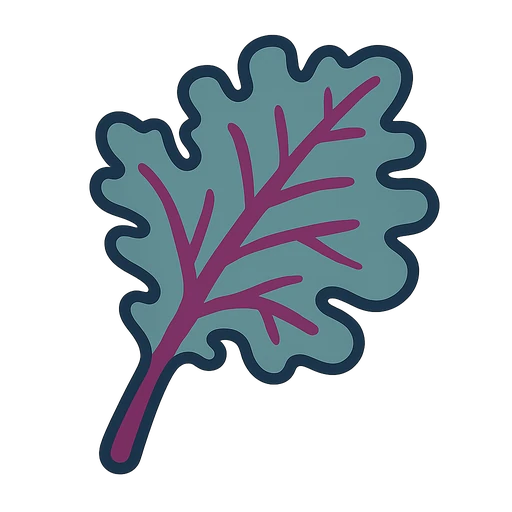
A flat-leaved, oak-shaped kale with blue-green leaves and red-purple stems that becomes noticeably sweeter after frost.

Brassica napus · also called Russian kale, Ragged Jack

Full sun Beginner Frost-hardy
Sun
Full sun
Provide afternoon shade once temperatures regularly exceed 85 °F (29 °C) to slow bolting (the shift from leaf growth to flowering) and reduce bitterness
Frost
Hardy
Survives temperatures down to about 10 °F (-12 °C) once hardened off
Spacing
18 in
45 cm between plants
Sow depth
½ in
13 mm
To harvest
50–65 days
counted from sowing
Soil pH
6.0–7.5
slightly acidic to neutral
Timing

When to plant Red Russian Kale

Windows are counted from the average date of your last spring frost.

Summer:8–10 weeks before first fall frost for a main fall/winter crop.
Too late?For a fall crop, skip sowing if fewer than 8 weeks remain before your first hard frost — plants will not size up before cold shuts down growth.
Background

Why grow Red Russian Kale

Red Russian is among the most cold-tolerant kales and one of the most tender-textured, making it suitable for raw salads as well as cooking. Its long harvest window — from midsummer through hard winter in mild climates — gives exceptional value per square foot.

A little history. Unlike curly kales (Brassica oleracea), Red Russian belongs to Brassica napus, the same species as rutabaga. Cold temperatures cause the plant to convert stored starches to sugars, which lowers the freezing point of cell fluids and perceptibly sweetens the leaves.

The season, step by step

From planting to harvest

Sow outside

4–6 weeks before last frost

Sow seeds ½ inch (13 mm) deep, and aim for 18 inches (45 cm) between plants once thinned. Sow 0.25–0.5 in deep and keep the seedbed evenly moist; do not let the surface crust or dry out before sprouts emerge. Seedlings emerge in 4–10 days.

Best soil temp 55–75 °F (13–24 °C) Minimum 45 °F (7 °C) Emerges in 4–10 days

Transplant outside

Direct sow 4-6 weeks before last frost, or transplant 2-4 weeks before last frost

Either works well; needs at least 12 inches of soil depth for a strong root system. In containers: 5-gallon pot minimum; 7–10 gallon preferred for full-sized plants.

Water and feed

All season

Water deeply twice a week in warm weather; once a week is often sufficient once temperatures drop below 60 °F (16 °C). Water when the top inch of soil feels dry to the touch. Aim for about 1 inch per week including rain.

Side-dress (scatter fertilizer along the row and water in) once at planting and again 4 weeks later. What to use: balanced organic granular (e.g. 5–5-5) or compost worked into the top 2 inches.

Prune and maintain

As it grows

Remove any yellowing lower leaves promptly to improve airflow. If the plant bolts, pinch out the central flower stem immediately to extend leaf production by several weeks.

Harvest and store

50–65 days from sowing

It's ready when harvest outer leaves once they reach 4–8 inches long and are deep blue-green with firm texture; do not wait for leaves to yellow or toughen. Snap or cut the lowest, oldest outer leaves first, leaving the central growing point and at least 4–6 inner leaves intact. Work upward from the base at each picking.

Unwashed leaves in a sealed plastic bag in the refrigerator crisper drawer; best within 5–7 days. Blanch and freeze for storage up to 10–12 months.

Companions

Good neighbours, bad neighbours

Plant it with

Garlic

The strong sulfur smell of garlic foliage can help hide kale from aphids and cabbage moths that locate their host by scent. Effect is real but modest, so plant a border of garlic along the row rather than relying on it alone.
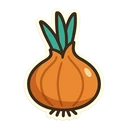
Onion

Onion tops give off a pungent smell that often reduces the number of egg-laying cabbage moths and aphids finding young kale. Onions also stay shallow-rooted and short, so they take little light or water from the kale.

Nasturtium

Nasturtium often pulls cabbage aphids and cabbage white butterflies onto itself first. Treat it as a sacrificial plant: check it weekly and pull or wash off the colonies, or the trap simply becomes a nursery beside your kale.
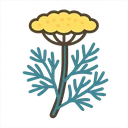
Dill

Dill's flat flower clusters feed hoverflies, lacewings, and the tiny parasitic wasps that attack cabbage worms and aphids. Let a few plants flower near the kale row rather than cutting every stem for the kitchen.
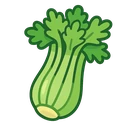
Celery

Gardeners have long paired celery with cabbage-family crops, and both do want the same steady moisture and rich soil. No mechanism has been demonstrated, so treat it as a convenient bedfellow rather than pest protection.

Keep it away from

Strawberry

Old charts keep strawberries and cabbage-family crops apart, though no mechanism has been shown. The practical objection is simpler: strawberries hold a bed for years, while kale wants a bed you can rotate out of brassicas every four seasons.

Tomato

Gardeners have long separated these two, and the plausible part of the tradition is competition: both are heavy feeders, and a caged tomato casts deep shade over a kale plant that wants full sun for dense leaf growth.

See Red Russian Kale in the full companion chart →

Crop rotation

After this crop

Family rest

Give the cabbage family 4 years away from this spot before any of its relatives return.

Good next crops

The tomato family, the pea and bean family or the carrot family thrive in this ground next season.

Kale leaves the bed hungry and low on nitrogen, and it leaves behind cabbage-family root and leaf diseases. Keep all cabbage-family crops out of this ground for 4 years. Follow with peas or beans, then tomatoes or peppers, or with carrots and parsley.

Trouble to watch for

Pests and diseases

Pests

Cabbage worm (imported cabbageworm)

Sign
Ragged holes in leaves, pale green caterpillars on leaf undersides, small yellow eggs on leaf surfaces.
Fix
Hand-pick caterpillars and eggs; apply Bacillus thuringiensis (Bt) spray to leaf undersides at first sign of feeding.

Cabbage aphid

Sign
Dense gray-green clusters on new growth and leaf undersides; leaves may curl or pucker.
Fix
Knock off with a firm jet of water; apply insecticidal soap to undersides of affected leaves, repeating every 5-7 days.

Flea beetle

Sign
Numerous small round holes scattered across leaves, especially on young transplants; tiny dark beetles that jump when disturbed.
Fix
Cover transplants with row cover (fine mesh fabric) immediately after planting; remove once plants are well established.

Cabbage looper

Sign
Large irregular holes in leaves; pale green caterpillars that arch their bodies in a looping motion when moving.
Fix
Apply Bt spray to leaf surfaces at first sign; check undersides of leaves for pale ribbed eggs and remove by hand.

Diseases

Downy mildew

Sign
Yellow angular patches on upper leaf surface with a gray-purple fuzzy growth on the underside directly beneath.
Prevent
Space plants at full recommended distance to maximize airflow; avoid overhead watering in the evening; rotate brassicas on a 3-year cycle.

Black rot

Sign
Yellow V-shaped lesions starting at leaf margins, progressing inward; veins inside the V turn black or dark brown.
Prevent
Use certified disease-free seed; avoid working among wet plants; remove and dispose of infected material immediately; do not compost it.

Clubroot

Sign
Plants wilt in midday heat despite moist soil; roots show swollen, distorted club-like galls when pulled.
Prevent
Test soil pH before planting; maintaining pH near 7.0 reduces spore germination. Rotate brassicas out of affected beds for at least 7 years.
FAQ

Common questions about Red Russian Kale

When should I plant Red Russian Kale?
Spring: direct sow 4–6 weeks before last frost, or transplant 2–4 weeks before last frost. Summer: 8–10 weeks before first fall frost for a main fall/winter crop.
How long until Red Russian Kale is ready to harvest?
50–65 days, counted from sowing. It's ready when harvest outer leaves once they reach 4–8 inches long and are deep blue-green with firm texture; do not wait for leaves to yellow or toughen.
Can I grow Red Russian Kale in a container?
Either works well; needs at least 12 inches of soil depth for a strong root system. In containers: 5-gallon pot minimum; 7–10 gallon preferred for full-sized plants.
How often should I water Red Russian Kale?
Water deeply twice a week in warm weather; once a week is often sufficient once temperatures drop below 60 °F (16 °C). Water when the top inch of soil feels dry to the touch.
How should I store Red Russian Kale after harvest?
Unwashed leaves in a sealed plastic bag in the refrigerator crisper drawer; best within 5–7 days. Blanch and freeze for storage up to 10–12 months.
Can Red Russian Kale stay in the ground over winter?
In climates with mild winters (lows above 10 °F (-12 °C)), plants often survive to early spring; mulch the root zone with 3–4 inches of straw after the first hard frost to extend survival.

Verdie turns this guide into your plan

Set your garden's location and every window above becomes a real date — then Verdie reminds you when it's time to sow, transplant, water, and pick.

Download on the App Store
Free to download · iPhone & iPad