Crop guide · The carrot family

How to grow parsley

A cold-tolerant biennial grown as an annual that delivers fresh, bright flavor from spring through hard frost and beyond.

Petroselinum crispum · also called curly parsley, flat-leaf parsley

Full sun Beginner Frost-hardy
Sun
Full sun
Provide afternoon shade once temperatures stay above 85 °F (29 °C) to slow bolting and keep leaves tender.
Frost
Hardy
Tolerates hard frost down to about 20 °F (-7 °C)
Spacing
9 in
25 cm between plants
Sow depth
¼ in
6 mm
To harvest
70–90 days
counted from sowing
Soil pH
6.0–7.0
slightly acidic to neutral
Timing

When to plant parsley

Windows are counted from the average date of your last spring frost.

Fall planting:8–10 weeks before first fall frost for a late-season harvest.
Too late?Skip a spring sowing once daytime temperatures regularly exceed 85 °F (29 °C) — sow again in late summer for a fall crop instead.
Background

Why grow parsley

Parsley is one of the most productive cut-and-come-again herbs per square foot, yielding continuously for months. Both curly and flat-leaf types are far more flavorful fresh than dried, making a home planting genuinely worthwhile.

A little history. Native to the central Mediterranean region, parsley is a biennial — completing its life cycle over two growing seasons — but is almost always grown as an annual because it bolts (shifts from leaf growth to flowering) and turns bitter in its second year.

The season, step by step

From planting to harvest

Sow outside

3–4 weeks before last frost

Sow seeds ¼ inch (6 mm) deep, and aim for 9 inches (25 cm) between plants once thinned. Sow seeds ¼ inch deep and keep the top half-inch consistently moist; soaking seeds in warm water for 24 hours before sowing speeds emergence. Seedlings emerge in 14–28 days.

Best soil temp 65–75 °F (18–24 °C) Minimum 50 °F (10 °C) Emerges in 14–28 days

Transplant outside

Direct sow 3-4 weeks before last frost; or start indoors 8-10 weeks before last frost

Either works well — needs at least 8 inches of soil depth for its taproot to develop properly. In containers: 8-inch pot minimum; 12-inch or larger for sustained harvest.

Water and feed

All season

Water deeply when the top inch of soil feels dry, roughly twice a week in warm weather. Water when top inch of soil feels dry to the touch; leaves begin to look slightly dull. Aim for about 1 inch per week including rain.

Side-dress (scatter fertilizer along the row and water in) once a month during active growth. What to use: balanced 5–5-5 organic granular or a compost top-dressing; avoid high-nitrogen feeds that reduce flavor.

Prune and maintain

As it grows

Harvest outer stems at the base regularly to encourage new growth from the center. Remove any flower stalks immediately as they appear to delay bolting and extend the harvest.

Harvest and store

70–90 days from sowing

It's ready when harvest once stems have at least three leaf segments and the plant is at least 6 inches tall. Outer stems are ready before inner ones. Cut outer stems at the base with scissors or a sharp knife, leaving the inner stems to continue growing. Never remove more than one-third of the plant at a single harvest.

Stand cut stems in a glass of water in the refrigerator, loosely covered with a plastic bag, for up to 2 weeks. Alternatively, freeze chopped leaves flat on a tray then transfer to a bag.

Companions

Good neighbours, bad neighbours

Plant it with

Tomato

Low parsley fills the open ground under staked tomatoes without crowding them, and any plant left to flower opens flat umbels that feed hoverflies and tiny parasitic wasps — the insects that work over tomato aphids and hornworm eggs.

Asparagus

Asparagus crowns feed from deep, permanent roots while parsley works the top 8 inches with its taproot, so the two share the bed without fighting over water. Parsley also covers bare soil between crowns while the spears are still short.

Chives

The onion scent of chives can help hide young parsley from carrot fly, which finds carrot-family plants by smell. Treat it as a small edge, not a substitute for fine insect mesh over the row.

Carrot

Gardeners have long paired these carrot-family relatives, and they do want the same deep, loose, evenly moist soil. No mechanism is demonstrated, and both attract carrot fly — so if you grow them side by side, mesh the whole planting as one.

Rose

Parsley is said to keep aphids off roses, a pairing that has circulated on companion charts for a century without supporting trials. It does make a tidy, harvestable edging at the foot of a rose, so the risk of trying it is small.
Keep it away from

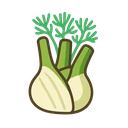
Fennel

Fennel roots release compounds that reliably stunt most garden vegetables, parsley included, and the two also share carrot fly. Plant fennel in its own corner well away from the bed, where its flowers can still feed hoverflies and tiny parasitic wasps.

Spearmint

Spearmint spreads by runners just below the surface and will thread through a parsley clump within a season, making clean cutting impossible. Grow mint in a sunken pot or a separate container, never loose in the same bed.

Peppermint

Peppermint spreads by underground runners and will thread through a parsley clump within one season, making the parsley impossible to lift or divide cleanly. Keep mint in its own pot, or at least 24 inches away behind a root barrier.

See parsley in the full companion chart →

Crop rotation

After this crop

Family rest

Give the carrot family 3 years away from this spot before any of its relatives return.

Good next crops

The pea and bean family, the cabbage family or the onion family thrive in this ground next season.

Parsley is a light feeder and leaves the bed close to how it found it, though its taproot loosens the top few inches. Keep carrot-family crops (carrot, dill, celery, parsnip) out of this spot for 3 years. Follow with peas or beans, then cabbage-family or onion-family crops.

Trouble to watch for

Pests and diseases

Pests

Parsleyworm (black swallowtail caterpillar)

Sign
Large green-and-black striped caterpillars with yellow dots stripping stems and leaves, often leaving frass (droppings) behind.
Fix
Hand-pick caterpillars and relocate to wild carrot or fennel nearby; they become beneficial pollinators as adults.

Aphids

Sign
Clusters of small soft-bodied insects on new growth and undersides of leaves; sticky residue and distorted leaf tips.
Fix
Knock off with a firm spray of water; repeat daily for several days until the population collapses.

Carrot fly

Sign
Wilting seedlings; reddish-brown tunnels in the taproot visible when pulled.
Fix
Cover seedlings with fine insect mesh immediately after sowing and keep it on through the season.

Diseases

Leaf spot (Septoria blight)

Sign
Small tan or brown spots with yellow halos on older leaves, spreading upward through the plant in wet weather.
Prevent
Space plants at least 9 inches apart for airflow; water at the base, not overhead; remove and bin affected leaves promptly.

Crown rot

Sign
Stems collapse at soil level; base of plant turns dark brown and mushy, often in cool wet conditions.
Prevent
Ensure well-drained soil; avoid overwatering; do not bury the crown when transplanting.

Powdery mildew

Sign
White powdery coating on leaf surfaces, typically appearing in late summer when nights cool and humidity rises.
Prevent
Maintain good airflow by thinning crowded plants; avoid overhead watering in the evening.
Good to know:Parsley resembles poison hemlock at the seedling stage — confirm identity by the distinctive fresh scent when a leaf is crushed before consuming any foraged plant.
FAQ

Common questions about parsley

When should I plant parsley?
Spring: direct sow 3–4 weeks before last frost; or start indoors 8–10 weeks before last frost. Fall: 8–10 weeks before first fall frost for a late-season harvest.
How long until parsley is ready to harvest?
70–90 days, counted from sowing. It's ready when harvest once stems have at least three leaf segments and the plant is at least 6 inches tall. Outer stems are ready before inner ones.
Can I grow parsley in a container?
Either works well — needs at least 8 inches of soil depth for its taproot to develop properly. In containers: 8-inch pot minimum; 12-inch or larger for sustained harvest.
How often should I water parsley?
Water deeply when the top inch of soil feels dry, roughly twice a week in warm weather. Water when top inch of soil feels dry to the touch; leaves begin to look slightly dull.
Is any part of parsley unsafe to eat?
Parsley resembles poison hemlock at the seedling stage — confirm identity by the distinctive fresh scent when a leaf is crushed before consuming any foraged plant.
How should I store parsley after harvest?
Stand cut stems in a glass of water in the refrigerator, loosely covered with a plastic bag, for up to 2 weeks. Alternatively, freeze chopped leaves flat on a tray then transfer to a bag.

Verdie turns this guide into your plan

Set your garden's location and every window above becomes a real date — then Verdie reminds you when it's time to sow, transplant, water, and pick.

Download on the App Store
Free to download · iPhone & iPad