Crop guide · The cabbage family

How to grow broccoli

A cool-season crop that produces dense green heads in spring or fall and rewards attentive timing with weeks of side-shoot harvests after the main head is cut.

Brassica oleracea var. italica · also called Calabrese, heading broccoli

Full sun Intermediate Frost-hardy
Sun
Full sun
Provide afternoon shade once daytime temperatures consistently exceed 85 °F (29 °C) to slow premature bolting (shift from head formation to flowering)
Frost
Hardy
Tolerates hard frost down to about 26 °F (-3 °C)
Spacing
18 in
45 cm between plants
Sow depth
¼ in
6 mm
To harvest
55–80 days
counted from transplant
Soil pH
6.0–7.0
slightly acidic to neutral
Timing

When to plant broccoli

Windows are counted from the average date of your last spring frost.

Fall planting:start indoors 10–12 weeks before first fall frost; transplant out 6–8 weeks before first fall frost.
Too late?Skip a spring transplant if sustained daytime temperatures are already above 75 °F (24 °C) — heads will button (form tiny, premature heads) or bolt before sizing up properly.
Background

Why grow broccoli

Home-grown broccoli can be harvested at peak density before the florets begin to open, a quality rarely available in supermarket produce. A single planting yields both a central head and a prolonged flush of smaller side shoots, extending the harvest window considerably.

A little history. Broccoli is a cultivated form of wild cabbage native to the eastern Mediterranean, selected over centuries for its enlarged, edible flowering head. It is the same species as cabbage, cauliflower, and kale, differing only in the part that was selectively enlarged.

The season, step by step

From planting to harvest

Start seeds indoors

6–8 weeks before last frost

Keep the top half-inch of seed-starting mix consistently moist; do not let it dry out or crust before sprouts emerge. Seedlings emerge in 5–10 days in warm soil.

Best soil temp 65–75 °F (18–24 °C) Minimum 45 °F (7 °C) Emerges in 5–10 days
Transplant outside

2–4 weeks before last frost

Beds strongly preferred; containers work only with deep, large pots — roots need at least 12 inches of depth and the plant is top-heavy. In containers: 15-gallon pot, minimum 14 inches deep. Space plants 18 inches (45 cm) apart.

Water and feed

All season

Water deeply 2–3 times per week; increase frequency during head formation. Water when the top inch of soil feels dry to the touch. Aim for about 1–1.5 inches per week including rain.

Side-dress (scatter fertilizer along the row and water in) once at transplant, again when heads begin to form. What to use: balanced 5–5-5 organic or compost-enriched amendment; avoid high nitrogen once heads form.

Prune and maintain

As it grows

No pinching needed. After cutting the central head, leave the plant in place — side shoots (smaller secondary heads arising from leaf axils) will develop over the following 4–6 weeks and are harvested the same way.

Harvest and store

55–80 days from transplant

It's ready when cut when the central head is firm and tight, florets are deep green and still closed, and the head measures 4–8 inches across — do not wait for any yellowing or loosening of florets. Cut the main stem cleanly with a sharp knife 5–6 inches below the head. Leave the plant rooted; side shoots will follow. Harvest side shoots when each small head is tight and 2–3 inches across.

Refrigerate unwashed heads in a loose plastic bag for up to 5 days. For longer storage, blanch florets for 3 minutes, cool in ice water, and freeze in a single layer before bagging.

Companions

Good neighbours, bad neighbours

Plant it with

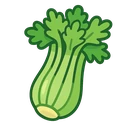
Celery

Gardeners have long set celery alongside cabbage-family crops, and the two do share a taste for steady moisture and rich soil. No pest or growth benefit has been demonstrated, so treat it as a convenient bedfellow rather than protection.

Onion

The strong smell of onion foliage can help hide young broccoli from cabbage root fly and aphids, which locate their target by scent. Results vary, so keep row cover on transplants as the primary defense.

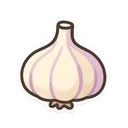
Garlic

Garlic's pungent leaves can muddle the scent trail aphids follow to new brassica growth. Fall-planted garlic also finishes early, freeing the space before broccoli reaches full spread.

Nasturtium

Aphids and cabbage white butterflies often settle on nasturtium first, drawing pressure off the heads. It only helps if you check the decoys weekly and pull or spray infested growth before the colony spreads back.

Dill

Dill's flat flower heads draw in hoverflies, lacewings, and the tiny parasitic wasps that attack cabbageworm and aphid colonies. Let a few plants flower at the bed edge rather than cutting every stem for the kitchen.

Keep it away from

Strawberry

Old companion charts keep strawberries and the cabbage family apart, though no mechanism has ever been shown. The practical caution is simpler: broccoli is pulled and the bed reworked each season, which disturbs a strawberry planting meant to stay put for years.

Tomato

Gardeners have long separated these two, and there is no demonstrated interaction behind it. What is real is timing and appetite: both are hungry crops, and a caged tomato throws shade over broccoli just as heads should be sizing up.

See broccoli in the full companion chart →

Crop rotation

After this crop

Family rest

Give the cabbage family 4 years away from this spot before any of its relatives return.

Good next crops

The tomato family, the pea and bean family or the carrot family thrive in this ground next season.

Broccoli leaves the bed hungry and gives nothing back, so work in compost before the next crop. Keep all cabbage-family plants out of this ground for 4 years to starve out clubroot and black rot. Follow with the tomato family, peas or beans, or carrots and their relatives.

Trouble to watch for

Pests and diseases

Pests

Imported cabbageworm

Sign
Ragged holes in leaves; pale green caterpillars on leaf undersides or inside developing heads; dark green frass (droppings) on leaves.
Fix
Hand-pick caterpillars; apply Bacillus thuringiensis (Bt) spray to leaf surfaces at first sign, repeating every 5-7 days.

Cabbage aphid

Sign
Dense clusters of small grey-green insects on new growth and inside florets; leaves may curl or yellow.
Fix
Knock off with a firm jet of water; apply insecticidal soap to undersides of leaves, repeating every 4-5 days until clear.

Flea beetle

Sign
Numerous small round holes scattered across leaves, especially on young transplants; tiny dark beetles that jump when disturbed.
Fix
Cover transplants with row cover (fine mesh fabric) immediately after planting; remove only when plants are well established.

Cabbage root fly

Sign
Sudden wilting of transplants despite adequate water; white maggots visible at the soil line around the stem base.
Fix
Place a 4-inch square collar of cardboard or fabric flat on the soil around each stem at transplant time to block egg-laying.

Diseases

Clubroot

Sign
Plants wilt in midday heat and fail to recover; roots are swollen into irregular club-shaped galls when pulled.
Prevent
Rotate brassicas on a minimum 3-year cycle; test soil pH before planting and adjust toward 7.0 only if a test confirms acidity, as higher pH slows spore germination.

Downy mildew

Sign
Yellow patches on upper leaf surfaces with a grey-purple fuzzy growth on the corresponding underside; most common in cool, wet weather.
Prevent
Space plants at full recommended distance for airflow; water at the base rather than overhead; remove and bin affected leaves promptly.

Black rot

Sign
V-shaped yellow lesions spreading inward from leaf margins; leaf veins turn black; heads may develop dark internal discoloration.
Prevent
Use certified disease-free seed; avoid overhead watering; remove all brassica debris at season end; observe a 3-year rotation.
FAQ

Common questions about broccoli

When should I plant broccoli?
Spring: start indoors 6–8 weeks before last frost; transplant out 2–4 weeks before last frost. Fall: start indoors 10–12 weeks before first fall frost; transplant out 6–8 weeks before first fall frost.
How long until broccoli is ready to harvest?
55–80 days, counted from transplant. It's ready when cut when the central head is firm and tight, florets are deep green and still closed, and the head measures 4–8 inches across — do not wait for any yellowing or loosening of florets.
Can I grow broccoli in a container?
Beds strongly preferred; containers work only with deep, large pots — roots need at least 12 inches of depth and the plant is top-heavy. In containers: 15-gallon pot, minimum 14 inches deep.
How often should I water broccoli?
Water deeply 2–3 times per week; increase frequency during head formation. Water when the top inch of soil feels dry to the touch.
How should I store broccoli after harvest?
Refrigerate unwashed heads in a loose plastic bag for up to 5 days. For longer storage, blanch florets for 3 minutes, cool in ice water, and freeze in a single layer before bagging.

Verdie turns this guide into your plan

Set your garden's location and every window above becomes a real date — then Verdie reminds you when it's time to sow, transplant, water, and pick.

Download on the App Store
Free to download · iPhone & iPad