Start seeds indoors
Press seeds 1 inch deep, keep soil evenly moist but not waterlogged; cold or wet soil causes rot before emergence. Seedlings emerge in 5–10 days in warm soil.
A sprawling warm-season vine that converts summer heat into large, long-storing fruit — rewarding for growers with space and patience.
Cucurbita maxima · also called winter squash, giant pumpkin
Windows are counted from the average date of your last spring frost.
Home-grown pumpkins offer flesh quality and variety diversity unavailable in shops, from dense pie types to record-weight giants. The long storage life — often four to six months in cool, dry conditions — extends the harvest well into winter.
A little history. Cucurbita maxima is native to South America and is distinguished from C. pepo by its soft, corky stem that flares at the fruit attachment point. It encompasses both culinary pie types and the largest cultivated fruits in the plant kingdom.
Press seeds 1 inch deep, keep soil evenly moist but not waterlogged; cold or wet soil causes rot before emergence. Seedlings emerge in 5–10 days in warm soil.
Sow seeds 1 inch (25 mm) deep.
Best in open ground — vines reach 6–15 feet. Containers are impractical for most cultivars; compact 'bush' types need at least 15 gallons. In containers: 15-gallon pot minimum, bush types only. Space plants 72 inches (185 cm) apart.
Deep soak 2–3 times per week during fruit set; reduce once fruit has reached full size and skin is hardening. Water when the top 2 inches of soil feel dry, or leaves show slight midday wilt that does not recover by evening. Aim for 1–2 inches per week including rain.
Side-dress (scatter fertilizer along the root zone and water in) at vine run, then again at first fruit set. What to use: high-nitrogen feed at planting; switch to low-nitrogen, higher phosphorus and potassium once flowers open.
For large fruit, pinch (remove by hand) secondary vines beyond the first two and limit to 1–2 fruit per plant; bury vine nodes to encourage adventitious (stem-produced) roots and improve water uptake.
It's ready when skin resists puncture from a fingernail; the stem has dried and corked over; the ground spot (where fruit rested on soil) has turned from white to deep cream or orange; hollow sound when tapped. Cut the stem with a sharp knife or pruners, leaving 3–4 inches of stem attached; never carry by the stem — it snaps and shortens storage life. Handle gently to avoid skin abrasions.
Cure at 80–85 °F (27–29 °C) for 10–14 days to harden the skin, then store at 50–55 °F (10–13 °C) with low humidity; properly cured fruit keeps 4–6 months. Do not refrigerate whole fruit.
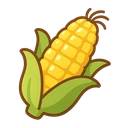
Sweet Corn
In the traditional three-crop planting, the pumpkin is the ground layer: its broad leaves shade the soil between corn stalks, hold moisture, and crowd out weeds. Give the corn a 3-4 week head start so it clears the vines before they run.
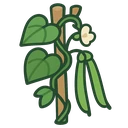
Pole Bean
Pole beans bank nitrogen in root nodules, but most of it is released only as those roots break down after the season ends, so the benefit lands on next year's crop in this bed rather than on the pumpkin growing beside them now.

Nasturtium
Nasturtium often pulls aphid colonies onto its own soft stems ahead of the vines. It only helps if you treat or pull the infested plants — left standing, it becomes an aphid nursery beside your pumpkins.

Borage
Pumpkin fruit sets only when bees carry pollen from male to female flowers, and borage's blue flowers draw bees steadily through the morning hours when squash blossoms are open and receptive.

Dill
Dill left to flower feeds hoverflies, lacewings, and tiny parasitic wasps that hunt aphids and squash bug eggs. Plant it at the bed edge, since the vines will smother anything caught in their path.
Potato
Digging potatoes means turning over soil right where pumpkin vines have rooted at their nodes, tearing them loose mid-season. Both are heavy feeders as well, so they compete hard for water and nutrients in the same ground.
Fennel
Fennel roots release substances that stunt most garden vegetables, pumpkin seedlings included. Grown well away in its own corner it still earns a place, because its flat flower heads feed hoverflies and tiny parasitic wasps.
Sesame
Sprawling vines run over young sesame within weeks and hold moisture around the stem bases, which invites stem rot. Give pumpkins their own ground, or at least 6 feet of clearance.
Give the squash family 2 years away from this spot before any of its relatives return.
The pea and bean family, the carrot family or the onion family thrive in this ground next season.
A heavy feeder that leaves the bed depleted and littered with coarse vine residue — clear it, then compost or till. Keep all squash family crops out for 2 years. Follow with peas or beans to rebuild nitrogen, or with the carrot and onion families, which ask far less of the soil.