Crop guide · The pea and bean family

How to grow Field Pea

A fast, cold-tolerant cover crop that fixes nitrogen, smothers weeds, and pulls double duty as edible pea shoots and dry soup peas.

Pisum sativum subsp. arvense · also called Austrian winter pea, Forage pea

Full sun Beginner Frost-hardy
Sun
Full sun
Tolerates light afternoon shade once temps stay above 85 °F (29 °C), but growth slows either way
Frost
Hardy
Seedlings shrug off hard frost. Winter types survive into the low teens with snow cover
Spacing
2 in
5 cm between plants
Sow depth
1½ in
38 mm
To harvest
50–90 days
counted from sowing
Timing

When to plant Field Pea

Windows are counted from the average date of your last spring frost.

Fall planting:6–8 weeks before first hard frost, so vines reach 6–8 in before cold.
Too late?Skip a spring sowing once days regularly top 80 °F (27 °C) — the vines stall and mildew. Wait for a late-summer or fall sowing.
Background

Why grow Field Pea

Few cover crops give this much back this fast: a dense pea stand shades out weeds, and the nitrogen banked in its roots feeds next season's greens. Young shoots are a real harvest along the way.

A little history. A field-type form of the garden pea, selected for vine and seed rather than sweetness. Its roots host bacteria that pull nitrogen from air into nodules on the root hairs.

The season, step by step

From planting to harvest

Sow outside

4–6 weeks before last frost

Sow seeds 1½ inches (38 mm) deep, and aim for 2 inches (5 cm) between plants once thinned. Sow 1–1.5 in deep and firm the soil over the seed. Keep the top inch moist until shoots break through. Seedlings emerge in 7–14 days.

Best soil temp 55–65 °F (13–18 °C) Minimum 40 °F (4 °C) Emerges in 7–14 days

Water and feed

All season

Water weekly in dry spells until vines cover the ground. Water when the top inch of soil feels dry. Aim for about 1 inch per week including rain.

No nitrogen feeding — it makes its own. What to use: compost at sowing; coat seed with pea and vetch inoculant on new ground.

Prune and maintain

As it grows

Cut the top 4–6 in of vine tips for eating; the plant branches out below the cut and keeps covering ground.

Harvest and store

50–90 days from sowing

It's ready when for soil building, cut when the first flowers open and before pods fill — that is peak nitrogen. For shoots, snip tips at 6–8 in. For dry peas, wait until pods rattle. Snip shoot tips with scissors above a leaf joint. To terminate the stand, mow or shear at the soil line and leave the roots in place, or turn the whole top growth under with a fork.

Pea shoots keep 5 days in a bag in the fridge. Dry peas store a year in a sealed jar in a cool, dark cupboard once fully hard.

Companions

Good neighbours, bad neighbours

Plant it with

Oats

Oat stems give pea tendrils something to climb, lifting the vines off damp ground and letting air move through the stand. The pea's root nodules bank nitrogen that mostly releases next season as the residue breaks down. Sow both in one pass at about half rate each.
Barley

Barley grows fast and stiff early, so the pea has a ladder before it starts to sprawl. The mix cuts weed cover further than either alone, and the pea contributes nitrogen the following season as its roots decay.
Rye

Rye is the toughest overwintering partner for winter field pea: it stays standing through cold and holds the vines up when spring growth takes off. Cut both together at pea bloom, before rye stems turn tough and slow to break down.
Wheat

Wheat's upright stems keep pea vines off the soil where rot starts, and the pea threads through without shading the grain much. Nitrogen fixed in the pea roots is largely a gift to whatever follows, not to the wheat growing beside it.
Emmer

Emmer is tall with fairly slim stems, so use a lighter pea rate — roughly one part pea to two parts grain — or the vines pull the stand over. Grown at that balance, the pea climbs cleanly and leaves nitrogen behind for the next crop.
Einkorn

Einkorn is fine-stemmed and can bend under a heavy pea load, so sow the pea sparingly. At a light rate the pairing often works well: the grain gives support, the pea covers open ground and builds nitrogen for the following season.
Spelt

Spelt stands tall and holds firm, which suits a vigorous pea vine. Sown together in fall, the two make a thick winter cover; cut them at pea bloom so the mix is soft enough to break down before spring planting.

Buckwheat

Buckwheat's open flowers feed hoverflies and tiny parasitic wasps, whose larvae hunt pea aphids. Sow a strip alongside a summer pea patch rather than mixed in, since buckwheat outgrows young pea seedlings.

Phacelia

Phacelia draws in hoverflies and lacewings that work over aphid colonies on nearby pea tips, and it flowers early enough to be useful during the spring pea window.

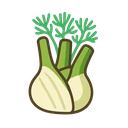
Keep it away from

Fennel

Fennel roots release compounds that reliably stunt most garden vegetables, and pea seedlings are no exception. Plant fennel well away in its own corner, where its flowers can still feed hoverflies and tiny parasitic wasps.

The Onion Family

Old charts keep peas and the onion family apart, and gardeners have long repeated the advice. No mechanism has been demonstrated, so treat it as a preference rather than a rule — separate the two if you like tradition, and watch your own bed.

See Field Pea in the full companion chart →

Crop rotation

After this crop

Family rest

Give the pea and bean family 2 years away from this spot before any of its relatives return.

Good next crops

The cabbage family, the beet family or grasses and grains thrive in this ground next season.

Field pea is a giver: its root nodules bank nitrogen that mostly releases the following season as roots break down. Keep pea and bean family crops out of this bed for 2 years. Follow with cabbage-family crops, with beets, chard or spinach, or with a cereal grain.

Trouble to watch for

Pests and diseases

Pests

Pea aphid

Sign
Clusters of pale green aphids on growing tips and flower stems; sticky leaves and curled new growth.
Fix
Spray tips with a hard jet of water; repeat in 3 days. Leave a few for ladybugs and lacewings.

Pea leaf weevil

Sign
Neat half-circle notches chewed along leaf edges of young seedlings; worst in cool spring stands.
Fix
Sow thickly so the stand outgrows the damage. Cover new seedlings with row fabric for 2 weeks.

Rabbits and deer

Sign
Vines clipped off cleanly a few inches above ground; whole patches grazed short overnight.
Fix
Fence the patch or lay row fabric over the stand until vines are 8 in tall.

Slugs

Sign
Ragged holes in low leaves and slime trails on the soil, worst in wet fall weather.
Fix
Water in the morning so the bed dries by evening; set out iron phosphate bait along the edges.

Diseases

Powdery mildew

Sign
White dusty film on upper leaves and stems in late season, then yellowing and early die-off.
Prevent
Sow early so the stand matures before humid heat. Space rows for airflow and avoid overhead watering late in the day.

Root rot

Sign
Seedlings yellow and wilt; pulled plants show brown, pinched-in stems at the soil line and few white roots.
Prevent
Sow only into soil that drains freely and never into a bed that grew peas or beans in the last 2 years.

Ascochyta blight

Sign
Purple-brown spots with dark centers on leaves and stems, often ringed; lower vines collapse first.
Prevent
Use clean seed, keep the stand off wet ground with a cereal partner, and remove debris rather than replanting into it.

Downy mildew

Sign
Pale yellow blotches on leaf tops with grey-purple fuzz on the undersides during cool, damp weather.
Prevent
Thin overly dense patches to let air move, and water at the soil line so foliage dries quickly.
FAQ

Common questions about Field Pea

When should I plant Field Pea?
Spring: 4–6 weeks before last frost, as soon as soil can be worked. Fall: 6–8 weeks before first hard frost, so vines reach 6–8 in before cold.
How long until Field Pea is ready to harvest?
50–90 days, counted from sowing. It's ready when for soil building, cut when the first flowers open and before pods fill — that is peak nitrogen. For shoots, snip tips at 6–8 in. For dry peas, wait until pods rattle.
Can I grow Field Pea in a container?
Best in open ground or a raised bed where you can broadcast thickly; needs 8 in of soil depth. In containers: not a container crop, though a 5-gallon pot grows a shoot patch.
How often should I water Field Pea?
Water weekly in dry spells until vines cover the ground. Water when the top inch of soil feels dry.
How should I store Field Pea after harvest?
Pea shoots keep 5 days in a bag in the fridge. Dry peas store a year in a sealed jar in a cool, dark cupboard once fully hard.
Can Field Pea stay in the ground over winter?
Winter types sown in early fall hold green through cold, then surge in spring. Cut them down at first bloom, before they set seed and go woody.

Verdie turns this guide into your plan

Set your garden's location and every window above becomes a real date — then Verdie reminds you when it's time to sow, transplant, water, and pick.

Download on the App Store
Free to download · iPhone & iPad