Crop guide · The nightshade family

How to grow bell peppers

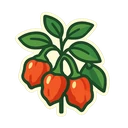
A warm-season fruiting crop that rewards patient gardeners with thick-walled, sweet peppers in green, yellow, orange, or red depending on how long you leave them on the plant.

Capsicum annuum · also called sweet pepper, capsicum

Full sun Intermediate Frost-tender
Sun
Full sun
Provide afternoon shade once daytime temps exceed 95 °F (35 °C) — flower drop increases sharply above that threshold and fruit may develop pale, papery sunscald patches on the exposed side.
Frost
Tender
Killed by the first light frost
Spacing
18 in
45 cm between plants
Sow depth
¼ in
6 mm
To harvest
60–90 days
counted from transplant
Soil pH
6.0–6.8
slightly acidic to neutral
Timing

When to plant bell peppers

Windows are counted from the average date of your last spring frost.

Summer:set transplants out once nights stay reliably above 55 °F (13 °C) and soil reaches 65 °F (18 °C).
Too late?Skip transplanting if fewer than 70 frost-free days remain — fruit set stops when nights drop below 55 °F (13 °C) and plants will not ripen before first frost.
Background

Why grow bell peppers

Home-grown bell peppers ripened fully to red or yellow on the plant are measurably sweeter than supermarket fruit picked green for shipping. A single plant in a 5-gallon pot can produce a useful harvest on a sunny patio.

A little history. Native to central Mexico and northern Central America, where it has been cultivated for at least 6,000 years according to archaeological evidence. Bell peppers are the non-pungent form of Capsicum annuum; the gene controlling pungency is recessive, so cross-pollination with hot peppers nearby rarely affects the current season's fruit flavor.

The season, step by step

From planting to harvest

Start seeds indoors

8–10 weeks before last frost

Cover seeds with ¼ inch of fine mix; keep the surface evenly moist and use a heat mat — germination stalls below 65 °F (18 °C) and drops sharply below 60 °F (16 °C). Seedlings emerge in 7–21 days in warm soil.

Best soil temp 75–85 °F (24–29 °C) Minimum 60 °F (16 °C) Emerges in 7–21 days

Transplant outside

2 weeks after last frost

Either works well — needs at least 12 inches of soil depth and benefits from dark containers that absorb heat in cool climates. In containers: 5-gallon pot minimum; 7–10 gallon preferred for full yield. Space plants 18 inches (45 cm) apart.

Water and feed

All season

Water deeply every 2–3 days in warm weather; more often in containers, which dry out faster than beds. Water when the top inch of soil feels dry to the touch — do not let the plant wilt, as water stress during flowering causes blossom drop. Aim for about 1–1.5 inches per week including rain.

Side-dress (scatter fertilizer along the row and water in) at transplanting, again at first flower, then every 3–4 weeks through harvest. What to use: low-nitrogen balanced fertilizer (e.g. 5–10-10 organic) once flowering begins — excess nitrogen promotes leafy growth at the expense of fruit set.

Prune and maintain

As it grows

Pinch out the first flower bud that appears before the plant has branched — this redirects energy into building a stronger framework. Once the plant has 4–6 main branches, remove any shoots growing inward to improve airflow.

Harvest and store

60–90 days from transplant

It's ready when green bell peppers are ready when they reach full size (3–4 inches across) and feel firm. For red, yellow, or orange color, leave on the plant an additional 2–4 weeks until the skin fully changes color. Cut the stem with clean scissors or pruners, leaving a short stub attached to the fruit — pulling by hand can snap branches. Harvest regularly to keep the plant producing.

Store unwashed at room temperature for up to 5 days, or in the refrigerator crisper drawer for up to 2 weeks. Fully ripe colored peppers freeze well: slice, spread on a tray to freeze, then bag.

Companions

Good neighbours, bad neighbours

Plant it with

Basil

The strong-smelling leaves can help hide young pepper plants from aphids and thrips that locate hosts by scent. Results are modest and hold best under low pest pressure, so treat it as a bonus rather than a control measure.

Carrot

Carrots send a single deep taproot straight down while peppers feed mostly in the top foot of soil, so the two often share a bed without fighting over water. Sow carrots at least 8 inches out from the pepper stem so digging them does not tear pepper roots.

Parsley

Let a few parsley plants run up to their flat flower heads in their second year and they feed hoverflies, lacewings, and tiny parasitic wasps whose larvae eat aphids on nearby peppers. The low leafy clumps also shade bare soil.

Spinach

Spinach sown between newly set peppers covers open soil, holds moisture, and crowds out weeds while the peppers are still small. It finishes before the peppers need the room, so there is little competition.

French Marigold

French marigold roots release substances shown to reduce root-knot nematodes, but only when the flowers are grown thickly across the whole bed or turned into the soil at season's end. A few plants at the edge will not do it, and marigolds do not deter beetles.

Keep it away from

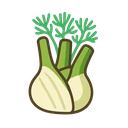
Fennel

Fennel roots release substances that stunt most garden vegetables, peppers included, so keep it out of the bed entirely. Grown in its own corner well away from crops, its flat flower heads still earn a place by feeding hoverflies and tiny parasitic wasps.
Kohlrabi

Old companion charts have long kept kohlrabi away from the tomato family, peppers among them, though no mechanism has been demonstrated. If you separate them, do it for the practical reason: kohlrabi wants cool soil and steady moisture that peppers do not.

Strawberry

Peppers carry the same verticillium wilt fungus as strawberries, and the soil stays infested for years. Give peppers their own bed and respect a three-year gap before planting strawberries on that ground.
Jerusalem Artichoke

Peppers are susceptible to the same verticillium wilt this crop can host, and wilt in one bed tends to show up in the other. Keep peppers in ground that has not grown sunchokes, tomatoes, or potatoes recently.
Goji Berry

Peppers share goji's family and its susceptibility to the same root and stem diseases. A permanent shrub cannot be rotated away from an infected spot, so give peppers their own bed well clear of the goji's root zone.
Pistachio

Peppers carry the same wilt fungus as tomatoes and leave it behind in the soil, where it can infect a young pistachio through its roots. Choose ground with no pepper history, and keep pepper beds well outside the drip line.
See bell peppers in the full companion chart →

Crop rotation

After this crop

Family rest

Give the tomato family 3 years away from this spot before any of its relatives return.

Good next crops

The pea and bean family, the onion family or the carrot family thrive in this ground next season.

Peppers are heavy feeders and leave the bed short on nitrogen with little residue behind. Keep the tomato family out of this ground for 3 years, then follow with legumes such as beans or peas to rebuild nitrogen, or with onions or carrots and their relatives.

Trouble to watch for

Pests and diseases

Pests

Aphids

Sign
Clusters of small soft-bodied insects on new growth and undersides of leaves; sticky honeydew residue and curled or puckered leaves.
Fix
Knock off with a firm jet of water; follow with insecticidal soap spray on undersides of leaves if colonies persist after 2-3 days.

Pepper weevil

Sign
Small holes bored into developing fruit and flower buds; premature fruit drop; tiny curved grubs found inside fallen fruit.
Fix
Remove and destroy all dropped fruit immediately; use row cover before adults arrive in early summer in affected regions.

Spider mites

Sign
Fine stippling (tiny pale dots) across leaf surfaces; fine webbing on undersides in heavy infestations; leaves turn bronze and drop.
Fix
Increase humidity around plants; spray undersides of leaves with insecticidal soap or neem oil every 5-7 days until clear.

Thrips

Sign
Silver-streaked or bronzed leaf surfaces; distorted new growth; tiny fast-moving insects visible with a hand lens.
Fix
Remove heavily infested leaves; apply spinosad-based spray in the evening to avoid harming pollinators; repeat after 7 days.

Diseases

Blossom end rot

Sign
Dark, sunken, leathery patch on the bottom of developing fruit — most common on the first flush of fruit in hot, dry spells.
Prevent
Maintain even soil moisture and avoid high-nitrogen fertilizers; this condition results from inconsistent water uptake disrupting calcium movement within the plant, not a soil deficiency in most home gardens.

Bacterial leaf spot

Sign
Small water-soaked spots on leaves that turn brown with yellow halos; spots may drop out leaving ragged holes; fruit develops raised, scabby lesions.
Prevent
Use certified disease-free transplants; avoid overhead watering; remove infected leaves promptly; rotate nightshade crops on a 3-year cycle.

Phytophthora root and crown rot

Sign
Sudden wilting of an otherwise healthy-looking plant; dark water-soaked lesion at the soil line; roots are brown and mushy.
Prevent
Plant in well-drained soil or raised beds; never let water pool around the stem base; avoid replanting nightshades in a bed with a history of this problem.

Tobacco mosaic virus

Sign
Mottled light and dark green mosaic pattern on leaves; leaves may be distorted or blistered; fruit may show yellow rings.
Prevent
Wash hands before handling plants if you use tobacco products; remove and bag infected plants immediately; control aphids, which spread the virus.
Good to know:Leaves and stems contain alkaloids and are not eaten. The seeds and white internal ribs are edible but often removed for texture reasons.
FAQ

Common questions about bell peppers

When should I plant bell peppers?
Spring: 8–10 weeks before last frost date indoors; transplant out 2 weeks after last frost. Summer: set transplants out once nights stay reliably above 55 °F (13 °C) and soil reaches 65 °F (18 °C).
How long until bell peppers are ready to harvest?
60–90 days, counted from transplant. It's ready when green bell peppers are ready when they reach full size (3–4 inches across) and feel firm. For red, yellow, or orange color, leave on the plant an additional 2–4 weeks until the skin fully changes color.
Can I grow bell peppers in a container?
Either works well — needs at least 12 inches of soil depth and benefits from dark containers that absorb heat in cool climates. In containers: 5-gallon pot minimum; 7–10 gallon preferred for full yield.
How often should I water bell peppers?
Water deeply every 2–3 days in warm weather; more often in containers, which dry out faster than beds. Water when the top inch of soil feels dry to the touch — do not let the plant wilt, as water stress during flowering causes blossom drop.
Is any part of bell peppers unsafe to eat?
Leaves and stems contain alkaloids and are not eaten. The seeds and white internal ribs are edible but often removed for texture reasons.
How should I store bell peppers after harvest?
Store unwashed at room temperature for up to 5 days, or in the refrigerator crisper drawer for up to 2 weeks. Fully ripe colored peppers freeze well: slice, spread on a tray to freeze, then bag.

Verdie turns this guide into your plan

Set your garden's location and every window above becomes a real date — then Verdie reminds you when it's time to sow, transplant, water, and pick.

Download on the App Store
Free to download · iPhone & iPad