Crop guide · The pink family

How to grow Carnation

A long-blooming, clove-scented edible flower that performs best in cool weather and rewards deadheading with months of repeat bloom.

Dianthus caryophyllus · also called Clove pink, Border carnation

Full sun Intermediate Half-hardy
Sun
Full sun
Provide afternoon shade once temperatures consistently exceed 85 °F (29 °C) to extend bloom and prevent petal scorch.
Frost
Half-hardy
Tolerates light frost down to about 28 °F (-2 °C)
Spacing
12 in
30 cm between plants
Sow depth
⅛ in
3 mm
To harvest
50–90 days
counted from transplant
Soil pH
6.0–7.0
slightly acidic to neutral
Timing

When to plant Carnation

Windows are counted from the average date of your last spring frost.

Fall planting:8–10 weeks before first fall frost in mild-winter climates.
Too late?Skip a spring start once daytime temperatures regularly exceed 85 °F (29 °C) — heat stalls bud development; plan a fall sowing instead.
Background

Why grow Carnation

Petals add a mildly spicy, clove-like flavor to salads, desserts, and drinks, and the cut flowers last up to two weeks in a vase. Compact border types suit containers and small beds equally well.

A little history. Native to the Mediterranean region; the species has been cultivated for over 2,000 years according to historical botanical records. Flowers are borne on swollen-jointed stems characteristic of the pink family.

The season, step by step

From planting to harvest

Start seeds indoors

8–10 weeks before last frost

Press seeds lightly into moist mix; they need light to germinate — do not cover with soil. Keep surface evenly moist until sprouts appear. Seedlings emerge in 5–14 days in warm soil.

Best soil temp 65–70 °F (18–21 °C) Minimum 60 °F (16 °C) Emerges in 5–14 days

Sow outside

8-10 weeks before first fall frost in mild-winter climates

Sow seeds ⅛ inch (3 mm) deep.

Transplant outside

After last frost

Either works well — needs at least 8 inches of well-drained soil; raised beds and containers with drainage holes are ideal. In containers: 1-gallon pot minimum; 3-gallon preferred for border types. Space plants 12 inches (30 cm) apart.

Water and feed

All season

Water deeply when the top inch of soil feels dry; reduce frequency in cool weather. Water when the top inch of soil feels dry to the touch. Aim for about 1 inch per week including rain; avoid overhead watering.

Side-dress (scatter fertilizer along the row and water in) every 4 weeks during active growth and budding. What to use: low-nitrogen balanced fertilizer such as 5–10-10 organic; excess nitrogen promotes foliage over flowers.

Prune and maintain

As it grows

Pinch out the growing tip when plants reach 6 inches tall to encourage branching and more flower stems. Deadhead (remove spent blooms) promptly to sustain repeat flowering through the season.

Harvest and store

50–90 days from transplant

It's ready when harvest flowers when the outer petals have just fully opened but the center is still tight. For edible use, pick in the morning after dew has dried. Cut the stem just above a leaf node (the point where a leaf meets the stem) with clean scissors. For edible petals only, pull petals from the base and discard the bitter white heel at the petal base.

Stand cut stems in 2 inches of cool water; keep in a cool room away from direct sun. Loose petals keep 1–2 days refrigerated in a sealed container.

Companions

Good neighbours, bad neighbours

Plant it with

Sweet Alyssum

Alyssum's tiny flowers feed hoverflies and small parasitic wasps, whose larvae work through the aphid colonies that gather on carnation buds. Let it run as a low skirt at the front of the planting so it does not shade the stems.

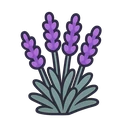
Lavender

Lavender in bloom draws in hoverflies, lacewings, and tiny parasitic wasps that patrol nearby plants for aphids and thrips. It also wants the same full sun and sharply drained, lean soil, so neither plant is pushed off its preferred conditions.

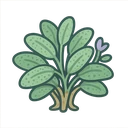
Sage

The heavy scent of sage foliage can help hide neighbouring plants from pests that locate hosts by smell, and it often reduces aphid pressure under low to moderate infestations. Give it 18 inches of its own room so it does not crowd carnation stems.

French Marigold

French marigold roots release compounds that reliably suppress root-knot nematodes, but only when the marigolds are planted thickly across the whole bed for a season or turned into the soil at the end of it. A few edge flowers will not do it.

Keep it away from

Spearmint

Spearmint spreads by runners and will overrun a carnation clump within a season, smothering the low foliage and holding damp air against it. Grow it in a sunken pot or a separate container, never loose in the same bed.

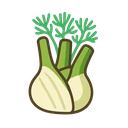
Fennel

Fennel roots release compounds that stunt most garden plants growing close by, and its size steals sun from low border types. Planted well away at the garden edge it still earns space, since its flowers feed hoverflies and tiny parasitic wasps.

See Carnation in the full companion chart →

Crop rotation

After this crop

Rotation

A perennial — it holds its spot for years, so it sits outside the annual rotation.

Carnation is a moderate feeder that holds its spot for several seasons and leaves soil much as it found it. No family gap is needed behind it, but Fusarium lingers in soil, so start replacement plants in a fresh bed after 2-3 years rather than the same ground.

Trouble to watch for

Pests and diseases

Pests

Aphids

Sign
Clusters of small soft insects on new growth and buds; sticky residue on leaves.
Fix
Knock off with a firm water spray; apply insecticidal soap if colonies persist after two treatments.

Spider mites

Sign
Fine stippling on leaves, tiny webbing on undersides, especially in hot dry conditions.
Fix
Mist foliage to raise humidity; apply insecticidal soap or neem oil to leaf undersides.

Thrips

Sign
Silvery streaking or flecking on petals and leaves; distorted buds that fail to open fully.
Fix
Remove and dispose of heavily infested buds; apply spinosad-based spray at first sign.

Diseases

Fusarium wilt

Sign
Sudden wilting of one or more stems despite adequate moisture; stem base shows brown discoloration inside when cut.
Prevent
Use well-drained soil; avoid overwatering; rotate planting site every 2-3 years; remove and dispose of affected plants promptly.

Botrytis (gray mold)

Sign
Gray fuzzy mold on petals and stems, especially in cool humid conditions or after rain.
Prevent
Space plants for good airflow; remove spent flowers immediately; avoid wetting foliage when watering.

Alternaria leaf spot

Sign
Small purple-bordered brown spots on leaves and stems that enlarge in wet weather.
Prevent
Water at the base; remove affected leaves; avoid overhead irrigation.
Good to know:Only the petals are eaten — remove and discard the bitter white petal base (heel) and the green calyx (the cup of leaf-like sepals holding the petals) before consuming.
FAQ

Common questions about Carnation

When should I plant Carnation?
Spring: 8–10 weeks before last frost for transplanting out after last frost. Fall: 8–10 weeks before first fall frost in mild-winter climates.
How long until Carnation is ready to harvest?
50–90 days, counted from transplant. It's ready when harvest flowers when the outer petals have just fully opened but the center is still tight. For edible use, pick in the morning after dew has dried.
Can I grow Carnation in a container?
Either works well — needs at least 8 inches of well-drained soil; raised beds and containers with drainage holes are ideal. In containers: 1-gallon pot minimum; 3-gallon preferred for border types.
How often should I water Carnation?
Water deeply when the top inch of soil feels dry; reduce frequency in cool weather. Water when the top inch of soil feels dry to the touch.
Is any part of Carnation unsafe to eat?
Only the petals are eaten — remove and discard the bitter white petal base (heel) and the green calyx (the cup of leaf-like sepals holding the petals) before consuming.
How should I store Carnation after harvest?
Stand cut stems in 2 inches of cool water; keep in a cool room away from direct sun. Loose petals keep 1–2 days refrigerated in a sealed container.

Verdie turns this guide into your plan

Set your garden's location and every window above becomes a real date — then Verdie reminds you when it's time to sow, transplant, water, and pick.

Download on the App Store
Free to download · iPhone & iPad