Crop guide · The goosefoot family (also includes spinach and beets)

How to grow quinoa

A Andean grain crop that produces protein-rich seeds on tall, colorful stalks and tolerates poor soils where many crops fail.

Chenopodium quinoa · also called Inca rice, goosefoot grain

Full sun Intermediate Half-hardy
Sun
Full sun
Afternoon shade once temps regularly exceed 95 °F (35 °C) to protect pollen viability during flowering.
Frost
Half-hardy
Seedlings tolerate light frost down to about 28 °F (-2 °C)
Spacing
12 in
30 cm between plants
Sow depth
¼ in
6 mm
To harvest
90–120 days
counted from sowing
Soil pH
6.0–7.5
slightly acidic to neutral
Timing

When to plant quinoa

Windows are counted from the average date of your last spring frost.

Fall planting:10–12 weeks before first fall frost in mild-winter climates.
Too late?Skip spring sowing once daytime temps regularly exceed 95 °F (35 °C) or nights stay above 60 °F (16 °C) — heat at flowering causes seed set to fail; switch to a fall sowing.
Background

Why grow quinoa

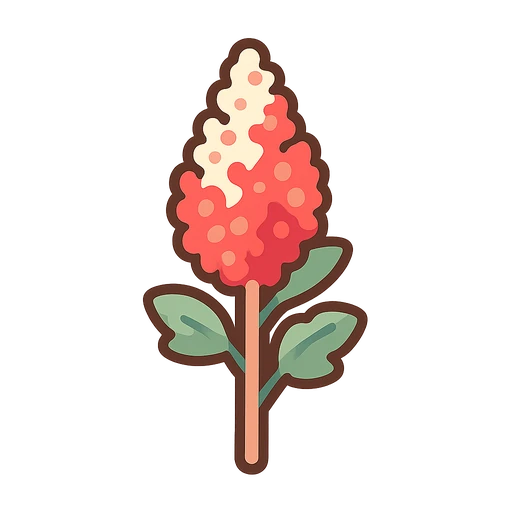
Quinoa yields a complete-protein seed crop in a single season and doubles as an ornamental with seed heads ranging from cream to deep red. It thrives in lean, dry conditions that frustrate most vegetables.

A little history. Native to the Andean altiplano of South America, quinoa is a seed crop, not a true cereal grass; its seeds are botanically classified as achenes (dry, single-seeded fruits). Seeds are coated in bitter saponins (soap-like compounds) that deter birds and require rinsing before eating.

The season, step by step

From planting to harvest

Sow outside

2–4 weeks before last frost

Sow seeds ¼ inch (6 mm) deep, and aim for 12 inches (30 cm) between plants once thinned. Press seeds just ¼ inch deep and keep the surface evenly moist until sprouts show; seeds need light to germinate and will crust out if buried deeper. Seedlings emerge in 3–7 days.

Best soil temp 55–65 °F (13–18 °C) Minimum 50 °F (10 °C) Emerges in 3–7 days
Water and feed

All season

Water deeply once a week during establishment; reduce to every 10–14 days once plants are knee-high. Water when the top 2 inches of soil feel dry and lower leaves begin to look slightly dull. Aim for about 1 inch per week; taper off as seed heads mature.

Side-dress (scatter fertilizer along the row and water in) once at thinning and once at knee height. What to use: low-nitrogen balanced fertilizer or compost; excess nitrogen drives leafy growth at the expense of seed set.

Prune and maintain

As it grows

Pinch out the central growing tip when plants reach 18 inches to encourage branching and more seed heads; skip this step if you want a single tall panicle (the large, branched seed head) for drying.

Harvest and store

90–120 days from sowing

It's ready when seed heads have dried from green to tan, cream, red, or gold depending on variety; seeds rub free easily between fingers and feel hard, not soft or doughy. Cut entire stalks at the base once most seeds on the panicle feel firm and dry. Bundle and hang upside down in a dry, ventilated space for 1–2 weeks, then thresh by rubbing heads over a bucket or screen.

Rinse harvested seeds thoroughly to remove bitter saponins, dry completely, then store in an airtight container in a cool, dark place for up to 1 year.

Companions

Good neighbours, bad neighbours

Plant it with

Garlic

Garlic's strong sulfur smell can help hide young quinoa from aphids that locate hosts by scent. Plant it along the row edge so the shallow garlic bulbs are easy to lift without disturbing quinoa roots.

French Marigold

French marigold flowers feed hoverflies and tiny parasitic wasps that hunt the aphids and leaf miner larvae quinoa attracts. For root-knot nematode suppression you would need a thick block turned into the soil at season's end, not a few edge plants.

Nasturtium

Aphids often settle on nasturtium stems before they find quinoa's growing tips. Check the nasturtiums weekly and cut off or wash down colonized shoots, or the trap simply becomes a nursery.

Garden Pea

Peas bank nitrogen in root nodules that is mostly released the following season as the roots break down, so a spring pea patch sets up next year's quinoa bed. Peas also finish and come out before quinoa reaches full height.

Keep it away from

Beet

Beets sit in the same plant family as quinoa and host the same leaf miners and Cercospora leaf spot, so growing them side by side stacks both problems. Keep them in separate beds and respect a two-year gap between family members.

Spinach

Spinach shares quinoa's family and its downy mildew and leaf miner pressure; together they give both pests an uninterrupted food supply. Spinach also shades poorly under tall quinoa, so separate plantings suit both.

Swiss Chard

Chard is the same species as beet and carries the same leaf miners and leaf spot fungi that trouble quinoa. Planting them apart breaks the cycle rather than handing the pests two hosts in one bed.

See quinoa in the full companion chart →

Crop rotation

After this crop

Family rest

Give the beet family 2 years away from this spot before any of its relatives return.

Good next crops

The pea and bean family, the tomato family or the onion family thrive in this ground next season.

Quinoa is a moderate feeder that leaves little behind but coarse stalks and possible leaf miner pupae, so chop and compost the residue rather than mulching with it. Keep beet-family crops out of this bed for 2 years; follow with legumes, nightshades, or onion-family crops.

Trouble to watch for

Pests and diseases

Pests

Aphids

Sign
Dense clusters of small soft insects on new growth and undersides of leaves; sticky residue on stems.
Fix
Knock off with a firm water spray; apply insecticidal soap if colonies persist after two treatments.

Flea beetles

Sign
Tiny round holes scattered across young leaves, most damaging to seedlings under 4 inches tall.
Fix
Cover seedlings with row cover (fine mesh fabric) immediately after sowing; remove once plants exceed 6 inches.

Leaf miners

Sign
Pale, winding tunnels visible inside leaves where larvae feed between the leaf surfaces.
Fix
Remove and bin affected leaves promptly; do not compost. Row cover prevents adult flies from laying eggs.

Birds

Sign
Seed heads stripped or pecked open as seeds approach maturity; husks left on stalks.
Fix
Drape bird netting over seed heads once they begin to dry and lose their green color.

Diseases

Downy mildew

Sign
Yellow patches on upper leaf surfaces with a gray-purple fuzzy coating on the underside; most common in cool, humid conditions.
Prevent
Space plants at least 12 inches apart for airflow; avoid overhead watering; choose resistant varieties where available.

Damping off

Sign
Seedlings collapse at soil level shortly after emergence; stem base appears pinched and water-soaked.
Prevent
Sow into well-draining soil; do not overwater in the first two weeks; thin promptly to avoid crowding.

Cercospora leaf spot

Sign
Small circular tan or gray spots with darker borders scattered across older leaves; severe infections cause early leaf drop.
Prevent
Rotate quinoa out of the same bed each year; remove infected leaves; keep foliage dry by watering at the base.
Good to know:Seeds must be rinsed thoroughly before eating to remove saponins, which cause digestive irritation and a bitter, soapy taste if consumed unwashed.
FAQ

Common questions about quinoa

When should I plant quinoa?
Spring: 2–4 weeks before last frost, once soil reaches 50 °F (10 °C). Fall: 10–12 weeks before first fall frost in mild-winter climates.
How long until quinoa is ready to harvest?
90–120 days, counted from sowing. It's ready when seed heads have dried from green to tan, cream, red, or gold depending on variety; seeds rub free easily between fingers and feel hard, not soft or doughy.
Can I grow quinoa in a container?
Beds strongly preferred; plants reach 3–6 ft tall and need 12 in of root depth. Containers are impractical at scale. In containers: 15-gallon pot minimum, one plant per pot.
How often should I water quinoa?
Water deeply once a week during establishment; reduce to every 10–14 days once plants are knee-high. Water when the top 2 inches of soil feel dry and lower leaves begin to look slightly dull.
Is any part of quinoa unsafe to eat?
Seeds must be rinsed thoroughly before eating to remove saponins, which cause digestive irritation and a bitter, soapy taste if consumed unwashed.
How should I store quinoa after harvest?
Rinse harvested seeds thoroughly to remove bitter saponins, dry completely, then store in an airtight container in a cool, dark place for up to 1 year.

Verdie turns this guide into your plan

Set your garden's location and every window above becomes a real date — then Verdie reminds you when it's time to sow, transplant, water, and pick.

Download on the App Store
Free to download · iPhone & iPad