Start seeds indoors
Plant tubers 3–4 inches deep with the growing tip facing up; keep soil evenly moist until shoots break the surface. Seedlings emerge in 10–21 days in warm soil.
A bright, tangy Andean tuber that produces a generous harvest of finger-sized, jewel-colored roots with almost no fuss.
Oxalis tuberosa · also called New Zealand yam, wood sorrel tuber
Windows are counted from the average date of your last spring frost.
Oca tolerates poor, slightly acidic soils where many crops struggle, and its tubers store for months. The lemony flavor mellows and sweetens after a few days of sun-curing, giving you two distinct taste profiles from one harvest.
A little history. Native to the Andean highlands of South America, where it has been cultivated for at least 8,000 years according to archaeological evidence. Tuber formation is triggered by shortening day length in autumn, which is why early planting does not accelerate harvest.
Plant tubers 3–4 inches deep with the growing tip facing up; keep soil evenly moist until shoots break the surface. Seedlings emerge in 10–21 days in warm soil.
Sow seeds 3 inches (76 mm) deep.
Beds preferred; containers work in at least a 10-gallon pot with 12 inches of depth to allow tuber spread. In containers: 10-gallon pot, minimum 12 inches deep. Space plants 12 inches (30 cm) apart.
Water deeply once or twice a week during dry spells; reduce watering in the final 4 weeks before harvest. Water when the top 2 inches of soil feel dry to the touch. Aim for about 1 inch per week including rain.
Side-dress (scatter fertilizer along the row and water in) once at planting and again when plants reach 8 inches tall. What to use: low-nitrogen, higher-phosphorus organic fertilizer such as bone meal or 3–5-4 blend.
Hill up (mound soil around the base of) stems to 6 inches twice during the season — once when plants reach 10 inches and again 4 weeks later — to encourage more tubers to form along the buried stems.
It's ready when harvest after the first light frost kills the tops, or when foliage yellows and dies back naturally — tubers are finger- to egg-sized and brightly colored (red, orange, yellow, or white depending on variety). Loosen soil with a fork 6–8 inches from the stem base; lift the whole clump carefully and pick tubers by hand; work gently — skins bruise easily.
Sun-cure tubers on a rack outdoors for 3–5 days to sweeten flavor; then store in a cool (40–50 °F (4–10 °C)), dark, dry place in paper bags or open crates for up to 4 months.

In frost-free climates, tubers left in the ground will re-sprout in spring; in cold climates, store a few tubers indoors at 40–50 °F (4–10 °C) in barely damp sand and replant the following spring.
Nasturtium
Aphids often settle on nasturtium's soft stems before they reach oca's new growth. Check the nasturtium weekly and pull or hose down infested shoots, or the colony simply moves on to the crop.
Fava Bean
Fava roots bank nitrogen in the soil that is mostly released the following season as the roots break down, so a fava patch this year sets up the bed for a hungry crop next year. Oca itself is a light feeder and takes little.
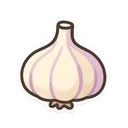
Garlic
Garlic's strong scent can help hide neighbouring foliage from aphids that hunt by smell, and under low pest pressure a border of it often reduces early colonies. It is also harvested in midsummer, freeing space as oca bulks up.
French Marigold
French marigold flowers feed hoverflies and tiny parasitic wasps that hunt aphids. For root-knot nematode control it must be planted thickly across the bed and turned into the soil at season's end — a few edge flowers do nothing.
Sorrel
Sorrel is a deep-rooted perennial that resents being dug, while oca demands a full lift of the bed each autumn. One crop's harvest wrecks the other, and sorrel's spreading clump crowds oca's low sprawl.
Rhubarb
Rhubarb's broad leaves and permanent crown shade and out-muscle oca just as it needs autumn light to bulk up tubers, and digging oca each year disturbs rhubarb's roots. Give each its own bed.
Easy-going — Oca can grow almost anywhere in the rotation without a strict rest.
The pea and bean family, the cabbage family or the tomato family thrive in this ground next season.
Oca is a light feeder that leaves the bed loose and open after the autumn dig, though it returns little to the soil. Wait 1 year before planting oca or its relatives here again. Peas and beans, cabbage-family greens, or tomatoes and peppers all do well in this ground next season.