Sow outside
Sow seeds ½ inch (13 mm) deep, and aim for 6 inches (15 cm) between plants once thinned. Sow no deeper than 0.5 inch; tiny seeds need firm seed-to-soil contact. Keep the top inch moist until sprouts show. Seedlings emerge in 4–10 days.
A fast-maturing warm-season grain grass that produces dense, bristled seed heads and tolerates drought better than most cereal crops.
Setaria italica · also called Italian millet, German millet
Windows are counted from the average date of your last spring frost.
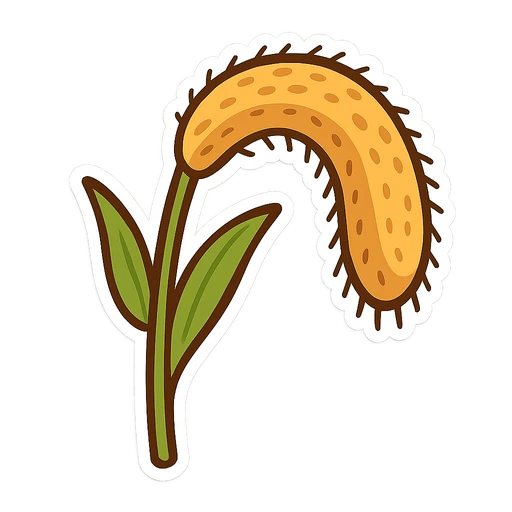
Foxtail millet reaches harvest in as few as 60 days, making it one of the quickest grain crops for a home plot. It also doubles as a striking ornamental grass and a high-value wildlife or bird-feed crop.
A little history. One of the oldest cultivated cereals, with archaeological evidence of cultivation in China dating to at least 6,000 years ago according to standard archaeobotanical records. A C4 grass, meaning it fixes carbon through a pathway that remains efficient under high heat and low water.
Sow seeds ½ inch (13 mm) deep, and aim for 6 inches (15 cm) between plants once thinned. Sow no deeper than 0.5 inch; tiny seeds need firm seed-to-soil contact. Keep the top inch moist until sprouts show. Seedlings emerge in 4–10 days.
Water deeply once a week; reduce once plants are knee-high and established. Water when the top 2 inches of soil feel dry. Aim for about 1 inch per week including rain.
Side-dress (scatter fertilizer along the row and water in) once at knee height, then again at heading. What to use: moderate-nitrogen balanced fertilizer such as 10–10-10 or compost-enriched soil.
It's ready when seed heads turn golden-brown and feel firm and dry; individual seeds resist thumbnail pressure and do not dent easily. Cut the entire stalk just below the head with clean shears when 80–90% of the head has turned brown. Bundle 8–10 stalks and hang upside down in a dry, ventilated space for 1–2 weeks before threshing.
Thresh dried heads by rubbing over a coarse screen or bucket. Store clean, dry grain in sealed glass or metal containers in a cool, dark place for up to 1 year.
Sow a second batch 3–4 weeks after the first in early summer, provided at least 70 frost-free days remain. Two sowings can double yield from a small bed.
Cowpea
Cowpea banks nitrogen in its roots, and most of that nitrogen is released only as the roots break down, so it feeds the bed the following season rather than the millet standing beside it. Interplanted or grown as the following crop, it offsets what this heavy-feeding grain takes out.
Edamame
Edamame fixes nitrogen with the help of root bacteria, and that nitrogen mostly becomes available next season as the roots decay. Its bushy low canopy also shades bare soil between millet rows while the grain stems climb past it.
Sweet Potato
Sweet potato vines run flat across the ground and can smother weed seedlings while holding soil moisture, which suits the narrow upright millet stems above them. Give the vines their own strip so digging tubers does not disturb the grain roots.
Sweet Corn
Both are grasses and share smut, leaf blights, armyworms, and hungry flocks of birds, so growing them side by side stacks the same problems in one bed. Keep them apart and keep grasses out of this ground for two years.
Sorghum
Sorghum grows well past head height and out-competes the shorter millet for light and water, while both grasses host the same leaf diseases and seed-head pests. Plant them in separate beds and separate seasons.
Give grasses and grains 2 years away from this spot before any of its relatives return.
The pea and bean family, the squash family or the tomato family thrive in this ground next season.
Millet is a heavy feeder that leaves behind coarse straw and fine roots but returns little nitrogen. Keep grasses and grains out of this bed for 2 years to break smut and blast cycles, then follow with legumes to rebuild nitrogen, or with cucurbits or nightshades on a fed bed.